
Unveiling the Power of Genesis Dashboards
Dr. Travis Arrington, a chiropractor of the younger generation known for his dynamism and forward-thinking approach, has provided valuable insights into the transformative journey that he and his wife have undertaken at their establishment, White Bison Chiropractic in this dialogue with Dr. Brian Paris. The conversation explored the influence of technology, specifically the recently integrated Genesis dashboards, on the operations of Dr. Arrington’s practice. The White Bison Story: Dr. Arrington explains the meaning behind “White Bison,” inspired by the national mammal’s resilience and its symbolization of answered prayers and abundance in Native American culture. The practice serves as a metaphor, urging clients to confront challenges directly and uncover positive outcomes. Blending Professions: Intriguingly, Dr. Arrington shares how his background in sales and tech, spanning over a decade, paved the way for his chiropractic journey. The conversation shifts to his unique practice model, where he collaborates with his wife, a mental health therapist specializing in marriage and family therapy. Together, they offer a holistic approach to well-being. Exploring Genesis and Dashboards: Dr. Travis discusses his discovery of Genesis through a recommendation from a mentor, leading to a seamless integration of the platform into his practice. He highlights the game-changing impact of Genesis dashboards, providing insights into key performance indicators (KPIs) such as conversion rates, retention, and supply chain efficiency. The dashboards prove invaluable in identifying weak points and making strategic decisions for business growth. Innovative Patient Education: The conversation extends to Dr. Arrington’s utilization of the Remarkable Practice’s Dirty Dozen tool within Genesis. He envisions conducting tests to measure the effectiveness of patient education on retention and conversion rates. The dynamic discussion reveals a commitment to continuous improvement and a keen interest in leveraging technology for enhanced patient care. Looking Ahead: Dr. Arrington shares his plans for the future, including the addition of a second doctor to the practice and further exploration of Genesis capabilities. The interview concludes with mutual appreciation for the power of referrals and the positive impact Genesis has had on Dr. Arrington’s practice. Conclusion: Dr. Travis Arrington’s journey exemplifies the intersection of technology and chiropractic care. As he continues to grow and innovate, his experience with Genesis dashboards serves as inspiration for practitioners seeking to elevate their practices through strategic use of technology. Stay tuned for more success stories and transformative insights here on Genesis Nation! To learn more about White Bison Well-being, visit them at https://bit.ly/wbw-genesis.
Elevating Chiropractic Web Presence
In an enlightening conversation, Dr. Brian had the pleasure of interviewing Mr. Tony Seymour, the mind behind Chiro Website Pro. This blog explored the critical function that websites serve as sales tools for chiropractors, shedding light on Tony’s distinctive methodology in developing successful chiropractic websites. Drawing from his extensive two-decade experience, he provided valuable insights into his professional journey, underscored the importance of personalized messaging, and elucidated the complexities of search engine optimization (SEO). Recounting a journey spanning more than two decades in the chiropractic realm, Tony initially aspired to become a chiropractor. However, a turning point emerged when a management company acknowledged his marketing acumen, emphasizing the pivotal role websites play in shaping the narrative of chiropractic practices. This recognition prompted a shift in trajectory, leading Tony to focus on coaching chiropractors and specializing in tailored marketing strategies. The Three Pillars of Effective Websites: The three crucial elements in crafting impactful chiropractic websites were emphasized First pillar: message, emphasizing the uniqueness of each chiropractor’s philosophy. Avoiding the pitfall of generic, cookie-cutter websites, Tony’s approach involves a personalized interview process to extract the DNA of the practitioner’s message. Second pillar: design, the importance of congruence between a chiropractor’s service value and the visual representation on their website was highlighted. A misalignment between a high-value care plan and a low-quality website design could undermine the practice’s credibility. Third pillar: traffic, involves a dual focus on organic and paid traffic. Giving highlight on the backend coding work for SEO and the strategic use of Google ads to rapidly increase online visibility. Insights into SEO and Backlinks: Delving into the intricacies of SEO, Tony insights into the critical role of coding, relevant content, and backlinks were given. He shared his approach to backlinks, involving both local efforts and the integration of AI-powered tools. The evolving landscape of SEO, especially with AI involvement, added an exciting dimension to the conversation. Streamlined Process for Website Development: An outline of a three-step process for chiropractors interested in working with Chiro Website Pro was provided – It starts with scheduling a discovery call through the website, followed by a personalized interview to assess compatibility. Once established, Tony undertakes the website development, ensuring ongoing SEO and updates are seamlessly integrated. The conversation encapsulated the essence of Chiro Website Pro – a blend of expertise, authenticity, and a genuine passion for elevating chiropractic practices in the digital realm. The pivotal moment of realizing the crucial role websites play in conveying the essence of chiropractic practices led Tony to specialize in crafting personalized marketing strategies. As the dialogue unfolded, it became evident that Tony’s approach goes beyond mere website creation; it embodies a dedication to underpromise and overdeliver, ensuring chiropractors receive not just a service but a comprehensive solution to enhance their online presence. Conclusion: This podcast provided valuable insights into the multifaceted world of chiropractic marketing, emphasizing the importance of authentic messaging, effective website design, and strategic SEO for practitioners aiming to thrive in a digital landscape. To know more about Chiro Website Pro, you may visit them at https://bit.ly/cwp-genesis.
How Practice Automation is Redefining Chiropractic Care
In an era where technology continually reshapes the landscape of healthcare, chiropractic practices are not left behind. The integration of practice automation into chiropractic care, as exemplified in discussions like the insightful interview with Dr. Aaron Gum of Blueprint to Practice Automation, is a testament to this evolution. This blog delves into the transformative impact of practice automation on chiropractic care, exploring how it enhances patient experience, streamlines operations, and opens new horizons for practitioners. The Rise of Practice Automation in Chiropractic Care: The concept of practice automation, as discussed by Dr. Gum, revolves around the integration of advanced technological systems into the day-to-day operations of chiropractic practices. This includes everything from patient management systems, electronic health records (EHRs), to automated patient education tools. The goal is to streamline administrative tasks, improve patient care, and ultimately, enhance the overall efficiency of chiropractic practices. Key Components of Practice Automation: Automated Patient Management Systems: These systems manage appointments, reminders, and follow-ups, significantly reducing the administrative workload and enhancing patient engagement. Electronic Health Records (EHR): EHRs provide a digital platform for storing patient data, facilitating easier access to treatment histories, and enabling better coordination of care. Digital Patient Education: Automating patient education ensures consistent and comprehensive information delivery, crucial for patient understanding and adherence to treatment plans. Remote Monitoring and Treatment: With advancements in technology, some aspects of chiropractic care can be monitored or even administered remotely, increasing accessibility and convenience for patients. The Benefits of Automation in Chiropractic Practices: Enhanced Efficiency: Automation reduces the time spent on repetitive tasks, allowing chiropractors to focus more on patient care and less on administrative duties. Improved Patient Experience: Automated systems contribute to reduced wait times and more efficient communication, leading to higher patient satisfaction. Scalability of Services: With automation, chiropractic practices can manage a larger patient load without compromising the quality of care, facilitating growth and expansion. Data-Driven Insights: The use of technology in practice management provides valuable data that can be used to make informed decisions about patient care and business strategies. Challenges and Considerations: While the advantages are significant, the transition to an automated practice requires careful consideration. Issues such as data security, the cost of technology, and the potential impact on the patient-practitioner relationship must be addressed. Additionally, there is a learning curve associated with new technologies that both staff and practitioners must navigate. Conclusion: The integration of practice automation in chiropractic care, as highlighted in discussions like Dr. Aaron Gum’s interview, is not just a trend but a necessary evolution. It offers a pathway to more efficient, patient-centered care, and a more sustainable business model for chiropractic practices. As we continue to witness technological advancements, embracing practice automation becomes not just an option, but a crucial step towards the future of chiropractic care. To learn more about Blueprint To Practice Automation you can visit them here https://bit.ly/bpa-genesis
AI in Medical Billing

AI has revolutionized many different industries, and healthcare is no exception. In recent years, medical billing has benefited greatly from using Artificial Intelligence. Where are the major pain points in healthcare today? 1-Patients: A major challenge today is long wait times. In 2022, the average wait time for a physician appointment in the 15 largest U.S. metro markets is 26 days [1]. The longer someone has to wait, the higher the risk of complications or possibly more serious health issues arising. Some possible solutions to address this problem include use of telemedicine involves providing medical consultations and services remotely using technology such as video conferencing. increasing the number of healthcare professionals in practice, streamlining administrative processes and improving patient communication and education to help prevent avoidable illnesses and hospital visits. 2-Physicians: Physician burnout is affecting a high percentage of physicians. 62.8% of physicians experienced at least one symptom of burnout in 2021 [2]. Reasons for burnout include outdated technology and inefficient workflows, which contribute to increased work stress and frustration even for skilled and experienced professionals. Additionally, a shortage of skilled workers puts extra pressure on those in the workforce, leading to burnout and poor job satisfaction. One potential way to address these challenges is to invest in updating technology and improving workflows, which can streamline processes and reduce workload. Additionally, increasing access to training and education for both current and future workers could help alleviate the skill shortage issue. It’s essential to take proactive steps to address these issues to ensure that our healthcare workforce can continue to provide top-quality care to patients without experiencing burnout. 3-Payers: Payers recognize the importance of delivering better experiences to their customers. To meet these expectations, payers are focusing on several critical areas: A-Improving ease of use Improving ease of use can be achieved through various initiatives, such as clear communication to help customers understand their network, status updates on claims, and easy-to-use portals and tools. B-Ensuring the availability of services on-demand. Having around-the-clock access to support and information is essential to ensuring customers can get the help they need when they need it. To support these initiatives, payers need to leverage data-driven insights to create value for their customers. This can be achieved through technologies such as artificial intelligence and machine learning, which can help to identify trends and patterns in customer behavior and preferences, enabling payers to provide targeted and personalized support proactively. Overall, payers must continue to innovate and adapt to meet the evolving needs and expectations of their customers, and taking a data-driven approach to improve ease of use and availability on demand could be a critical step forward. C-Reducing hospital readmission rates Payers are leveraging machine learning to gain actionable insights from healthcare data sets. By analyzing claims data, payers can identify trends in patient outcomes and determine the most effective treatments for specific patient populations. They can also predict which patients are at a higher risk of complications or readmissions, e.g., inflammation and blood clotting occurs most following surgery, and provide this information to providers to help them take preventative measures. This kind of data-driven approach is valuable because it enables healthcare providers to deliver more personalized care to patients, leading to improved patient outcomes and reduced costs. By sharing these insights, payers can demonstrate the value of their contributions to patient care while simultaneously empowering providers to make better decisions and improve healthcare delivery. Improved Medical Coding Accuracy One way AI has been used in medical billing is through automated billing and coding. The technology can analyze electronic health records and notes made by healthcare providers and use that information to generate codes that accurately bill for specific services. This reduces the risk of errors, which can result in denied claims and lost revenue. Improved Insurance Cash Flow Prediction and Denial Management AI is also used for claims prediction. By analyzing past claims data, AI identifies patterns and predicts which claims will likely be denied. This allows billing teams to proactively address issues and avoid denials, which saves time and money. Also, when denials are increasing due to a lack of medical necessity, lacking documentation, or coding mistakes, AI can analyze the denials to find the cause and then create tasks within the EHR to correct the likely causes for denials. Improved Medical Billing Workflow To automate the claims follow-up process, AI analyzes claims data and identifies the claims that are most likely to require follow-up. AI automatically generates follow-up tasks for billing teams. This reduces the administrative burden on billing teams and ensures that claims are followed up on in a timely manner. The deep learning of users’ interaction with EHR and billing software allows the learning of users’ habits, needs anticipation, and the display of the right data at the right time. Automatically retrieving and displaying all of the required data and just at the right time drastically reduces the amount of labor spent on manual billing tasks and allows staff to make better decisions about the next steps for denial resolution. Improved and Expedited Pre-Authorizations The current pre-authorization process can be a real headache for patients and healthcare providers. A streamlined, automated system that can quickly analyze a patient’s health data and determine the medical necessity of a procedure would be a game changer. Imagine how much time, stress, and resources could be saved if medical billers no longer had to worry about pre-authorization denials or chasing down authorization numbers. It’s exciting to think about how technology can continue to improve and simplify healthcare processes like this. Improved patient customer service With the rise of technology, we’re seeing a lot of improvements in healthcare that can benefit patients and providers alike. Using bots for patient interactions like appointment scheduling and payment collection is one way to streamline processes and reduce frustration for patients and billing staff. By standardizing these tasks, there’s less room for error and confusion, leading to smoother, more efficient
Claim Denial Management

Partial denials cause the average medical practice to lose as much as 11% of its revenue (Capko, 2009). Payers are known for denying claim payments for legitimate reasons (provider-generated errors) and arbitrary reasons, motivated by the inherent benefits of controlling the float for the maximal time (Stahl). Systematic denial management must address both kinds of errors. Denial management is difficult because of the (intentional) complexity of denial causes, payer variety, and claim volume. Systematic denial management requires measurement, early claim validation, comprehensive monitoring, and customized tracking of the appeals process. According to a survey by the Medical Group Management Association (MGMA), 69% of organizations reported a significant increase in denials, averaging 17%, in 2021 alone. These findings are further supported by additional alarming statistics (Zipple, 2023): In 2021, claim denials surpassed 48 million (Kaiser 2023). On average, nearly 20% of all claims are denied, and shockingly, up to 60% of these denied claims are never resubmitted (Poland and Harihara, 2022) Certain payers exhibit denial rates as high as 80% (Revenue Cycle Intelligence, 2022) However, there is some hope as, on average, approximately 40% of denials can be overturned through appropriate appeals processes (Kaiser 2023). According to a HIMSS Analytics study, here are some key findings on how hospital executives manage claim denials: 44% of hospital executives rely on vendor solutions to manage denials. 31% of executives still handle denials manually, without any specific tool or software. 18% of hospitals have developed their own in-house tools for denial management. 7% of executives are unsure about the method they use for denial management. Among respondents without a vendor-provided solution, 60% plan to purchase one within the next 7-12 months. (Regulsky, 2023) Denial Risk Classification The denial risk is not uniform across all claims. Certain classes of claims run significantly higher denial risks, depending on six factors: Claim complexity Modifiers, e.g., incorrect modifier used Multiple line items Temporary constraints Claim not filed on time Patient constraints, e.g., claim submission during global periods (see below) Payer constraint (e.g., claim submission timing proximity to the start of the fiscal year) Procedure constraint (e.g., experimental services) Payer idiosyncrasies Bundled services, e.g., services incorrectly bundled or Unbundling and upcoding Disputed medical necessity, e.g., Not a medical necessity Non-covered services Other Patient data Patient deductible Plan benefits exhausted Provider data, e.g., Out-of-network (OON) provider Process Compliance Incorrect insurance ID number Duplicate claim submitted Prior authorization not attached Typo errors in patient information Note that for complex claims, most payers pay the full amount for one line item but then pay only a percentage of the remaining items. This payment approach creates two opportunities for underpayment: The order of paid items The payment percentage of the remaining items Next, temporary constraints often cause payment errors because of the misapplication of constraints. For instance, claims submitted during the global period for services unrelated to the global period are often denied. A global period is a period of time before and after a surgical procedure during which related services are bundled into the initial procedure’s payment. It helps streamline billing by including pre-operative visits, post-operative follow-up care, and related services within a single payment (Master, 2020). Similar mistakes may occur at the start of the fiscal year due to misapplying rules for deductibles or outdated fee schedules. Additionally, payers often vary in their interpretations of Correct Coding Initiative (CCI) bundling rules or coverage of certain services. Developing sensitivity to such idiosyncrasies is a key to full and timely payments. CMS contractors conduct medical reviews on certain claims and prior authorizations to ensure that Medicare payments are made only for services that comply with all Medicare regulations. Suppose a review leads to a denial or non-affirmation decision. In that case, the contractor responsible for the review provides the provider or supplier with a comprehensive explanation detailing the reasons for the denial or non-affirmation. For example, the code AM300 is used when the provided documentation lacks evidence to substantiate the provision of Basic Life Support services during an emergency response. Please refer to 42 CFR § 410.40 (c), 42 CFR § 414.605, Internet Only Manual (IOM), Publication 100-02, Medicare Benefit Policy Manual, Chapter 10, Section 20, and Section 30.1.1 for further clarification and guidelines on this matter. (Reason Statements and Document (EMDR) Codes | CMS). Payers can also separate the Claim Processing and Denial Management departments to add complexity and improve the likelihood of underpayments and delays. In this scenario, the provider may be forced into a deadlock by having to deal with two separate departments for the same claim, where each of the two departments “waits” for the decision of the other. Denial Risk Management Stages In a high-volume clinic, the only practical way to manage denials is to use computer technology and follow a four-step procedure: 1. Prevent mistakes during claim submission This can be accomplished with a built-in claim validation procedure that includes payer-specific tests and EHR integration. Such tests (“pre-submission scrubbing”) compare every claim with Correct Coding Initiative (CCI) regulations, diligently review modifiers used to differentiate between procedures on the same claim, and compare the charged amount with the allowed amount, according to previous experience or the previous contract, to avoid undercharging. Integrating EHR and claims management systems allows for the seamless transfer of patient data and encounter information from the EHR to the claims system. This eliminates the need for manual data entry or transcription, reducing the chances of errors or omissions that may occur during the claims submission process. EHR systems often include built-in templates and structured documentation features that guide providers to capture complete and accurate information. These templates help ensure that all necessary information for claims submission, such as procedure details, diagnoses, and supporting documentation, is appropriately recorded. 2. Identify underpayments Identifying underpayments in the claims process is crucial for healthcare organizations to ensure accurate reimbursement and maximize revenue. This involves comparing the payment with the allowed amount, identifying zero-paid items, and evaluating payment timeliness. The
Computer-aided Patient Scheduling
Without a computerized scheduler, a practice has less than a 2% chance of earning the title of a “better-performing practice,” according to the Medical Group Management Association. Computerized scheduling helps decrease service costs, provide fairness in service delivery, increase patient satisfaction, and reduce waiting times (Zhang et al., 2019). A massive investment in scheduling features across a wide spectrum of billing products indicates the importance of computerized scheduling. Convenience and front office efficiencies are two obvious benefits of a computerized scheduling system; without them, the only manual way to find out if a specific patient has a scheduled appointment is to flip through the appointment book page by page. Worse, manual scheduling hurts both patient satisfaction and practice financial performance because of scheduling inconsistencies and unbilled (and therefore unpaid) visits. But the benefits of integrated computerized scheduling stretch far beyond convenience, front office efficiencies, and better charge follow-up of stand-alone, albeit computerized, scheduling. A well-designed and integrated scheduler allows preferential patient scheduling, which, along with improved controls, helps revenue optimization and practice compliance. Next, we review key aspects of computerized scheduling and demonstrate the important benefits of integrated scheduling, billing, and compliance management. Scheduling Policies Computerized schedulers allow a combination of single- or multiple-interval scheduling, with open-access scheduling subject to various priority constraints. Such priority-constraint-driven, open-access scheduling creates preferential appointments based on patient demographics or insurance coverage. Typical time-slot-based appointment systems essentially divide a physician’s schedule into finite slots in a day, which can be allocated according to appointment requests. However, such systems are limited by the risks of schedule fragmentations in late shows or no-shows (Chen et al., 2019). Examples of time-slots-based scheduling include single-interval scheduling and multiple-interval scheduling. Single-interval scheduling allocates appointments at regular intervals of 5 to 15 minutes, depending on the specialty. The downside of single-interval scheduling is that as soon as one appointment takes longer than the allocated slot, all subsequent patients must wait. Multiple-interval scheduling also sets appointments at regular intervals; however, unlike single-interval scheduling, it allocates the appointment length depending on the chief complaint. Such scheduling requires up-front categorization of key appointment types and their projected lengths. For instance, an initial appointment might take 30 minutes, while a routine injection might take only 5 minutes. According to the CAHPS survey database, about 12% of patients who called in did not get appointments for urgent care that they needed at the time. Forjuo et al., (2001) also showed that inadequate access to primary care providers was a leading cause of patient dissatisfaction. These challenges are mitigated by open-access scheduling. Open-access scheduling requires holding several appointments open every day. These open appointments are filled only within 48 hours of the appointment, catering to same-day or last-minute patient requests. Open-access scheduling improves access to the physician, reduces no-shows, and eliminates patient screening time. The downside of open-access scheduling is, of course, the potential for longer patient waiting lines or physician idle time because of the inability to maintain a predictable patient flow. A novel scheduling variant is the overlapping appointment scheduling (OLAS) model (Huet et al., 2020). OLAS model refers to deciding the optimal overlapping periods between the patient appointment and allocated service times. The model is formulated as an optimization problem to minimize the total cost of patients waiting and doctors’ idle time. One way to balance the practice workload is to schedule group, routine, or repeat appointments during slow hours. For instance, pediatric well-child visits or patients with a particular chronic disease—such as congestive heart failure or diabetes—could be scheduled for early mornings when there are typically fewer patients waiting in line. These scheduled visits include educational components and often involve multidisciplinary teams. It also helps save time since standard advice need not be repeated to individuals, improving on the efficiency of care delivery (Jones et al., 2019). Patients also benefit from the socialization aspect of group visits; members encourage one another, exercise together, and so forth. A good scheduler allows a repeat appointment schedule subject to total frequency and time slot constraints. Compliance Process An integrated scheduler verifies the filing of a signed patient consent form—and, in certain cases, a signed ABN form. An ABN (Advance Beneficiary Notice) serves three goals: To protect the beneficiaries from liability for services denied as not reasonable (depends on the frequency or duration) and necessary (depends on the diagnosis and the provider’s specialty) To protect the provider’s revenue by shifting financial liability for denied services to the patient To provide documentation for a Medicare audit For more complex procedures, the scheduler warns the front office about the need to obtain all required diagnostic test results and clearances up front. Billing Interface The integrated scheduler avoids unbillable patient encounters and reconciles visits with patient balances. It checks outstanding patient balances and verifies coverage and eligibility at the point of scheduling before the appointment. AI-driven computerized coding and billing systems can accurately provide the code for a particular disease condition and help with appropriate automated billing (Venkatesh et al., 2023). In many cases, such a test discovers data entry errors too, reducing the payment cycle at later stages. Additionally, the insurance company may require referrals or separate pre-authorization/certification for certain procedures, refusing the payment if the procedure was performed without a referral or preauthorization. The integrated scheduler can access medical records to supply necessary background and diagnosis information to obtain pre-authorization. Finally, without the ability to reconcile visits with payments, the practice owner cannot be sure that every visit resulted in a payment. Practice Flow Interface The integrated scheduler manages the entire patient flow, continuously updating arrival lists, checkoffs, and office/room tracking. Further, the scheduler tracks no-shows and follow-up actions. Detailed reports include daily schedules, load reports, missed appointments, free time, canceled appointments, etc. With AI-integrated schedulers, different color codes and status flags can be used for different appointment types, whether emergencies or routine or based on the specialist to be seen by the patient. This offers a good visually appealing summary by just glancing over the
Value Adding for Maximum Profit

I love this topic because it’s easy to miss the mark, especially since so many consultants and marketing firms misappropriate this term and don’t actually coach on value-adding. The idea of value-adding has come under scrutiny in light of the current trend of corporate acquisitions of primary care clinics and the rising patient expectation for comprehensive, patient-centered treatment (Abelson, 2023). This is because of how the healthcare industry is changing. There is a growing need to separate actual value addition from empty rhetoric when corporate companies acquire primary care operations. The demand for genuine, efficient value-adding solutions has never been greater due to the rise in patient expectations for a comprehensive healthcare experience. Don’t get me wrong, plenty do an absolutely amazing job, and their clients see great results, but more often than not, disaster strikes. Especially in the case of Joseph and Bonnie… When Joseph and Bonnie opened their practice, they were die-hard, convinced that they only needed to practice their specialty and nothing else. If we stay true to our specialty’s expertise and principles, we shouldn’t need anything else in the practice to thrive. Although reasonable, this viewpoint failed to consider the changing expectations of healthcare consumers. Patients are increasingly looking for holistic healthcare that covers their current requirements and their long-term well-being, according to Yussof et al. (2022). This suggests Joseph and Bonnie’s single-focused strategy didn’t meet the patient’s desire for comprehensive care. Today’s patients want treatments that address their current health needs and promote wellness, including preventative and long-term health management. Thus, healthcare professionals who offer more services are valued more. So they went about building out a space with the money their mentor had given them and whatever they could find and were adamant that physical therapy was the only service to be offered. Once the space was open, they began marketing to orthopedists in the area and getting patient referrals. That’s when the opportunities opened up. Patients started asking about ancillary services they didn’t have, making them feel like they looked silly. Patients asked about home fitness programs, nutrition, supplementation, and other specialties like Chiropractic or group fitness. The study by Patel & Singhal (2023) demonstrates the growing tendency of patients to seek comprehensive care. It showed that most patients favor healthcare facilities that offer various services under one roof. Patients increasingly view healthcare as a holistic activity. They want nutrition advice, exercise regimens, and alternative cures, not just specialist therapy. This shift in patient preferences fuels the desire for multi-service healthcare facilities that can meet several health and wellness goals. Initially, Joseph and Bonnie ignored it and kept progressing, growing at around 10%. They did a first-quarter review, and it was clear they were not on track to meet their financial freedom goals. They were convinced that something had to change, but they knew working harder to build new referring relationships was not scalable. They could only see so many patients daily, and hiring more therapists would add to their overhead. They needed a solution that minimized overhead growth while maximizing potential revenue. Joseph and Bonnie started taking patient requests seriously and realized a clear pattern. Patients were looking for wellness, not just treatment. Patients wanted to know if they could have a one-stop shop for preventative and therapeutic care. This was a new concept to Joseph and Bonnie, but they began exploring it and found an incredible and vast potential revenue stream in things like product offerings, DME, and more. Such a change toward integrated healthcare delivery is consistent with the ongoing tendency within the pharmaceutical sector to develop into wellness providers with patient-centric services (Moreno, 2019). This represents a larger healthcare shift from treating sickness to promoting well-being. Pharmaceutical corporations are expanding their position to include disease prevention, wellness, and patient-centric services for different health needs. Patients want a single source of preventative and therapeutic care. At first, Joseph and Bonnie only wanted to add what they could manage and keep the specialty singular. However, it soon became clear that their patients were looking for a more sophisticated preventative care so they hired a part-time nutritionist who turned into a full-time nutritionist. They bought used fitness equipment and hired a part-time fitness instructor who turned into a full-time instructor (Joseph recently replaced this person as the full-time trainer because of his personal love of fitness; the perks of being the boss). So what is value adding? Is it simply the addition of multiple complementary specialties into your practice? Maybe. Recent developments in primary and pharmacy care have demonstrated that value addition can be achieved by implementing cutting-edge health methods like digital medicines and remote patient monitoring (Smith, 2021). Value-adding extends beyond incorporating diverse specialties. Digital medicines and remote patient monitoring improve patient care and convenience. These strategies satisfy patients’ desire for individualized, accessible treatment, bringing value to a practice. It could also be the addition of community events, marble floors in the patient bathroom, or a cooling station with fancy refreshments. The true value add in a practice is unique to the patient community. It’s a matter of listening to the value-adds they seek and finding a way to accommodate them that supports the larger purpose and mission. If your practice is in a really nice part of town and you managed to get a great deal on space but are short on cash, it could be a matter of setting up one fancy area in your practice that you can afford to spruce up (it should also be functional, before you go replacing drapes). Whatever change you attempt needs to address two things: Patient requests – Surveys often help the most in this area Patient function – You want the value to add(s) to be usable in some way that improves the patient’s experience both individually and as a group A fancy cooling station with multiple settings, fruit, vegetable-enhanced water, and more can get patients talking and feeling fancy. Often these changes can also help enhance the practice’s
Change Management – Switching Your Billing Systems
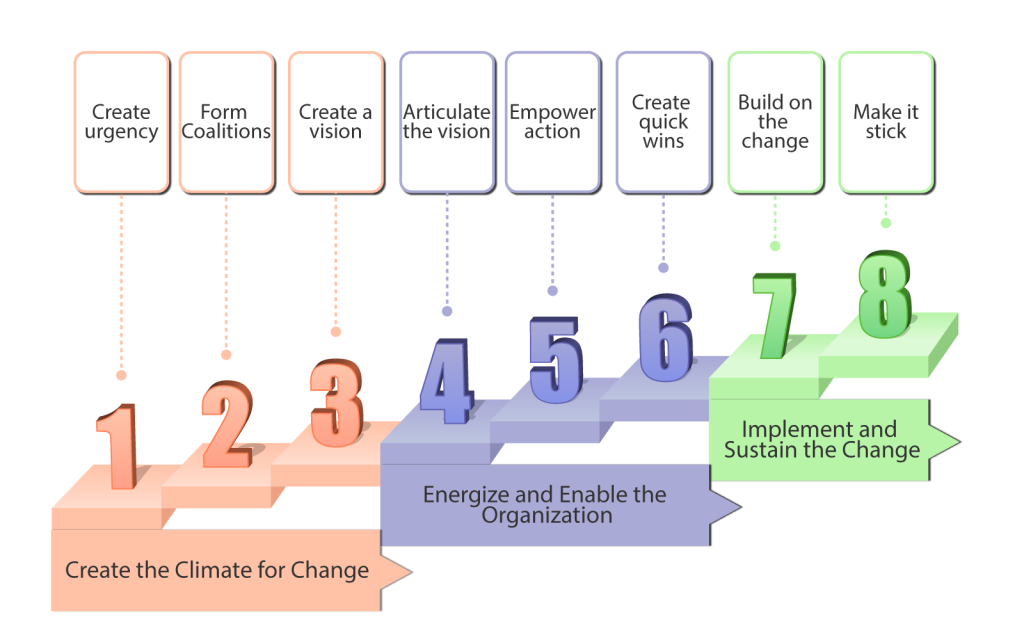
Practice owners seeking better solutions often start with a vision of increased practice profitability while treating reasonable patient volumes. Their vision spans multiple aspects, including better reach to prospective patients, better reimbursement rates, full and timely payments by insurance companies, less time spent on visit documentation, improved documentation quality for better clinical follow-up and lower audit risk, and more free time for family. However, that vision conflicts directly with the payers’ goals to reduce costs and increase revenues. Payers’ goals directly conflict with a provider’s vision because cost savings for payers simply mean that providers treat more patients at lower reimbursement rates—or, in other words, providers work harder for less money. In addition to the basic payer-provider conflict, visionary practice owners must face the resistance of their office managers and colleagues. These people may be skeptical because they don’t trust the owner, have seen five other failed initiatives, or think they might lose something with the change. Significant time, enthusiasm, and resources are needed to change practice processes and technology and to retrain personnel while simultaneously managing the practice and treating patients. The challenge of overcoming resistance to change and implementing it in your practice is akin to enhancing airplane engineering while keeping the plane in the air. Thus, medical practice owners often find themselves in a dilemma between adopting new solutions or compromising the vision and returning to the old ways, along with shrinking revenues and growing frustration. One key area of medical practice that requires a huge transition is shifting from paper-based records to an electronic health record (EHR) system. Shifting from one EHR system to another is also burdensome and requires a systematic approach to achieve results. Several internet-based software and tools can aid medical practices in transitioning to electronic records successfully, leading to maximized outputs and better service delivery to patients. We shall look at how to adopt this change using a change model. EHR and billing processes can help providers cut costs, improve the quality and safety of care, and enhance the productivity of the employees. Most practices have adopted EHR and electronic billing systems to achieve the above goals, whereas some have stuck to using paper documentation and filing systems. Paper-based records are often tiresome to retrieve, prone to errors and misplacements in addition to being bulky and space-consuming to store. Paper-based billing systems have also been shown to take longer claims processing times than EHR due to the time taken to verify manually. To fully realize change and adopt it into practice, a stepwise approach has to be taken, failure to which frustrations and complacencies are bound to occur, leading to regression to previous ways. John Kotter, a Harvard Business School professor and the world’s foremost authority on leadership and change, discovered that transformation challenges span multiple industries and share the same characteristics. His book Leading Change lists an eight-step process for implementing successful transformations. The eight steps can be divided into 3 phases: creating the climate for change, energizing & enabling them, and implementing and sustaining the change (National Learning Consortium, 2013). The figure below illustrates these three phases. Figure 1: The three phases of Kotter’s eight-step change management model This model has successfully been used to help transition into an electronic health records system in clinical practices. For instance, North Shore Medical Center in Chicago, Illinois, successfully transitioned from 100 percent paper-based medical records to 100 percent electronic records in 2013 using Kotter’s eight-step model (Martin and Voynov, 2014). An orthopedic practice group in Ontario, Canada, also successfully transitioned from paper records to electronic records, achieving more than a 95% threshold using Kotter’s change model (Auguste, 2013). We shall look into the eight steps in detail using an example of a healthcare practice that desires to transition from paper-based records to electronic health records and billing. Step 1: Create a sense of urgency. In this step, a health practice can provide evidence to its employees on the need for an EHR. This can include faster claims processing, less bulky storage space, easy records retrieval, and better security. At this stage, the aim is for employees to buy into EHR and keep talking about the proposed change. Step 2: Form a powerful coalition. To help convince employees that change is necessary, the practice can develop a committee of committed and passionate individuals who constantly champion EHR. These individuals can work as a team to help identify barriers to implementation as well as help remind other employees of the need for EHR constantly. Step 3- Create a vision for change. The practice can develop a clear and concise vision through the committee, which motivates transition. An example of a vision would be establishing the most secure health records for clinic patients. Step 4: Communicate the vision for buy-in. Once the vision is created, it must be communicated to the employees clearly explaining the benefits to encourage buy-in. This can be achieved through face-to-face meetings, sending email reminders on the transition from paper to EHR, and individual interviews. Step 5: Remove obstacles. There are 5 categories of barriers hinder any change from occurring in an organization, the biggest of which are complacency and resistance to change (IvyPanda, 2020). The 5 categories include complacency, Limited sharing of the vision, Different obstacles to the vision, Inability to accomplish short-term wins, and failure to solidify the change in the practice culture. Let’s briefly talk about the five categories of barriers. 1. Complacency– This is the most deadly of practice change management problems. Suppose you just plunge ahead with a new electronic medical records (EMR) system or billing process without first establishing a shared sense of immediate need or urgency because of increased audit risk or shrinking revenue. In that case, natural complacency takes over—and the entire change effort fails. It’s hard to drive people out of their comfort zones. Past failures, the lack of a visible crisis, low-performance standards, and insufficient feedback from doctors, office personnel, and patients—all add up to turning the best-intended change initiatives
Maximizing Chiropractic Efficiency: The Power of Integrated Software Solutions
In today’s digital age, the healthcare industry, including chiropractic practices, is rapidly evolving. With the rise of technology, there’s an increasing need for integrated software solutions that can streamline operations, enhance patient experience, and boost overall efficiency. In this context, the integration of platforms like Genesis Chiropractic Software and TrackStat is nothing short of revolutionary. The Need for Automation in Chiropractic Practices Automation is no longer a luxury but a necessity. With the increasing demands on healthcare professionals, manual processes can become tedious and prone to errors. By automating tasks such as patient management, appointment scheduling, and follow-ups, chiropractors can ensure a smoother and more efficient workflow. This not only saves time but also reduces the chances of human error, ensuring that patients receive consistent and high-quality care. Segmentation for Personalized Patient Care One size doesn’t fit all, especially in healthcare. Every patient is unique, with different needs and health conditions. By segmenting patients into different categories based on their health conditions, treatment plans, or other criteria, chiropractors can offer more personalized care. This not only enhances the patient experience but also ensures that each patient receives the most appropriate and effective treatment. The Power of Sales Pipelines in Patient Conversion A robust sales pipeline is crucial for any business, including chiropractic practices. By tracking new patients, their last and next visits, and other relevant information, chiropractors can gain valuable insights into their conversion rates. This data can be instrumental in identifying areas of improvement and implementing strategies to boost patient conversion. Enhancing Patient Retention with Data Analytics Patient retention is a critical metric for any healthcare practice. By analyzing data on patient drop-offs, chiropractors can identify specific points in the patient journey where they’re losing patients. With this information in hand, they can implement targeted strategies, such as educational workshops or progress exams, to enhance patient retention. Streamlining Operations with Two-Way Texting and Smart Reactivations Communication is key in healthcare. Two-way texting allows for seamless communication between chiropractors and their patients, ensuring that patients are always informed and engaged. Additionally, smart reactivations can help chiropractors identify and reach out to patients who haven’t been in for a while, ensuring that they continue to receive the care they need. Reducing Accounts Receivable with Integrated Solutions Financial health is crucial for the sustainability of any practice. By integrating solutions that help reduce accounts receivable, chiropractors can ensure a steady cash flow and financial stability. This not only ensures the smooth running of the practice but also allows chiropractors to invest in further enhancing their services. Conclusion The integration of platforms like Genesis Chiropractic Software and TrackStat offers a plethora of benefits for chiropractic practices. From automating tasks to enhancing patient experience and boosting efficiency, these integrated solutions are truly game-changers. As the healthcare industry continues to evolve, it’s crucial for chiropractors to leverage the power of technology to stay ahead of the curve and offer the best possible care to their patients. Note: For a deeper dive into these topics and to hear firsthand experiences from industry experts, watch the video at the top of this page.
Why ClinicMind?
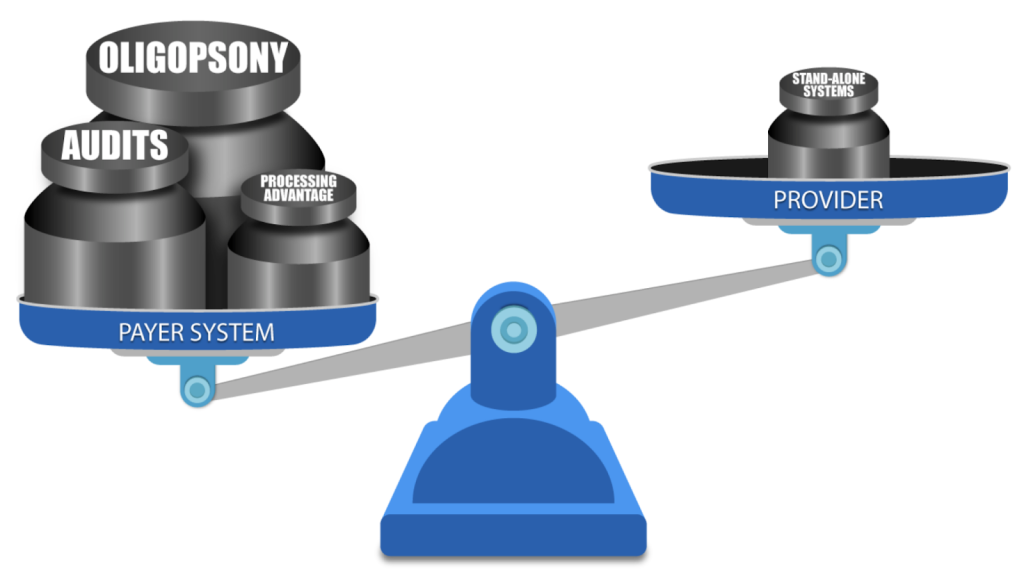
DO YOU know a practice owner who wants more patients in her clinic, better pay-per-visit, and better collections? We all know healthcare practice owners who want to remain independent and grow and yet are frustrated by insurance companies and continuous battles to get paid and stay compliant. Now, as a patient, do you like visiting a healthcare practice, receiving bills, and reconciling them with your insurance company? You are not alone. As it turns out, most other people do not like their patient experience. The problem is that patient and independent practice needs have evolved in step with society and technology, but management methodology remained in the 19th century. There’s a fundamental mismatch between how healthcare practices and patients are managed — and the practice owners’ and patients’ expectations. We came to a startling observation: patients no longer want their care to be managed the way it used to be managed in the previous century. And yet, practice owners still use their old methods to memory-manage their practice. Who is taking advantage of this mismatch? The insurance companies – payers. From the outset, we knew that healthcare costs are spiraling out of control. We also knew that insurance companies, medical equipment manufacturers, pharmaceuticals, and hospital executives have been all making handsome returns and benefitting from healthcare cost growth. One question bothered us: why are the practice owners unable to participate in that growth? How was it that the key contributors to healthcare service were excluded from fair compensation for their work and grew exceedingly frustrated with rules and regulations? Some providers were selling their practices to join larger networks or hospitals, and others were moving to different industries. National studies have shown that physician burnout rates are climbing up. For instance, Mayo Clinic Proceedings reported that the prevalence of burnout among U.S. physicians was 63% in 2021, compared with 38% in 2020, 44% in 2017, 54% in 2014, and 46% in 2011. We also noticed that with experience, medical billing managers start cherry-picking insurance companies for easy follow-up. So, the practice owners could not get paid on time and in full by a growing number of insurance companies (payers). The more obstacles payers pose – the less paid the providers are. Payers were stacking the game against the providers by continuously adding new rules to reduce payments and increasing the frequency of provider audits. In addition to continuous consolidation, resulting in scarcity of payers (a market structure known in economics as Oligopsony), which allows the payers to drive the reimbursement fees down, they also have a two-pronged resource advantage: attract Ivy-league MBAs to build sophisticated claim-processing protocols and discover every little pretext to deny or delay claim payment leverage the most powerful digital technology to implement those protocols on the ever-growing volume of claims. ClinicMind was founded to address two basic challenges facing providers: a patient-provider expectations mismatch and payer-provider adversity. First, the patients have transformed how they expect healthcare service delivery, but practice owners have not adapted their practice management methodology. Second, insurance payers underpay and delay payments because they make a substantial profit from the “float.” The float is the money insurers hold onto between the time they collect premiums and the time they pay out claims. In summary, 1. The Basic Mismatch Between Patients and Providers: a. Background: The healthcare industry has undergone significant changes in recent years, with patients becoming more proactive in managing their healthcare and demanding a different level of service. This transformation is largely due to increased access to health information through the Internet and the rise of patient-centered care models. However, many practice owners, particularly in traditional healthcare settings, have not adapted their practice management methodology to meet these changing patient expectations. b. Conflict: Patient Expectations: Patients today expect convenience, transparency, and a more personalized approach to healthcare. They want to schedule appointments online, access their medical records easily, and receive timely, clear communication from their healthcare providers. Provider Resistance: Many practice owners and healthcare providers are accustomed to traditional, paper-based methods and may hesitate to embrace digital technologies or change their established processes. This resistance can result from the comfort with the status quo, fear of the unknown, or high implementation costs. c. Resolution: To resolve this conflict, healthcare practices must adapt to the changing landscape. This may involve investing in electronic health records (EHR) systems, online appointment scheduling, telemedicine services, and more. Additionally, training staff and providers to use these technologies effectively is crucial. Clear communication with patients about these changes, the benefits they bring, and how data security and privacy are maintained can help build trust and reduce resistance. 2. Payer-Provider Adversity: a. Background: In the healthcare system, insurance payers (such as health insurance companies) often maintain a substantial portion of their profit through a financial mechanism called the “float.” The float is the money insurers hold onto between the time they collect premiums and the time they pay out claims. This float can represent a significant source of income for payers. However, it can create a conflict of interest with healthcare providers. b. Conflict: Payer Profit: Insurance payers benefit from maintaining a healthy float, as they can invest these funds and earn returns. The larger the float, the more profit they can potentially make. Payers have a significant advantage over the providers because of the oligopsony and because of significantly larger resources for better talent hiring and data processing. Provider Concerns: Healthcare providers, on the other hand, often face challenges in receiving timely and appropriate payments from payers. Delays or disputes in claims processing can impact their cash flow and ability to provide care. Providers feel that payers prioritize maintaining their float over ensuring prompt reimbursement. c. Resolution: Transparency and fair contracting: Establish clear and fair contracts between payers and providers that outline payment terms, including prompt payment schedules and dispute resolution mechanisms. Industry consolidation: Metcalf’s Law states that the value of a network is
