
Genesis Chiropractic Software Has Made Life Easier

Patient Retention With Genesis Chiropractic Software Has Made Life Easier for This Chiropractor In our last blog post, we looked at a just a couple of the success stories Chiropractors have experienced using Genesis Chiropractic Software in their practices. Today, I wanted to take you to the office of Dr. Charles Majors. Dr. Majors has a high-volume practice, with 1,500 patient visits each week. Leveraging the power of Genesis in his practice has allowed him to increase patient retention, collection, compliance, referrals, and more. According to Dr. Majors, Genesis has, “allowed our collections to go up.” Since he no longer has to worry about collections and the practice’s cash flow, he can stay focused on what’s really important – his patients. “As a chiropractor, my number one thing is putting my hands on patients and changing their lives… not having to worry whether the money is happening. With Genesis and Billing Precision, it’s like having an amazing C.A. (chiropractic assistant) in your practice, who is collecting and getting it done.” Genesis has also helped Dr. Majors improve patient retention. With Genesis, he always knows exactly where a patient is in their treatment plan. He can pull up their x-rays and go over them with the patient and says that Genesis is quicker and more efficient than his previous system. “I can look right at the screen and know if the patient has missed an appointment. I know that instead of being three times a week, they’ve been two times a week. If I can move them to three times a week – like they should be – it saves their life and increases collections.” Genesis Chiropractic Software makes it easy because when patients scan in at the front desk, if they are missing appointments, a red screen pops up. Dr. Majors’ staff immediately know to talk to the patient about scheduling their visits. Dr. Majors says, “Since we’ve gotten (Genesis) and Billing Precision, patient retention is better. Patients are staying longer… compliance is better.” With patients staying on schedule with their treatment plans and remaining in care longer, collections are way up for Dr. Majors, all without him having to work more to get it done. Another benefit, he has seen has been an increase in referrals for his practice. Dr. Majors attributes this to the fact that since patients aren’t missing visits, they are getting better faster and telling others about it. According to Dr. Majors, there are also hidden benefits to having these systems in place. He says, “When collections go up and volume goes up, C.A.’s are happier and life gets easier.” Dr. Majors has seen the power of Genesis Chiropractic Software at work in his practice. From increased collections and patient retention to happier patients, who refer more, Genesis has helped transform his high-volume practice and make life easier for him and his staff.
Patient Retention Success Stories
We’ve talked a lot about how putting Genesis Chiropractic Software to work in your office can help you create a better patient experience, increase revenue, improve patient retention, and just generally make your life easier. Today, I wanted to take the chance to introduce you to two of our real-world success stories, doctors just like you who leveraged the power of Genesis and have seen the incredible results first-hand. The first doctor I’d like to introduce to you is Dr. Chris Zaino. Dr. Zaino’s practice sees 2,600 patient visits each week. A high-volume practice like this one is an amazing opportunity to change the lives of so many patients through the power of Chiropractic, but also provides many opportunities for patients to fall through the cracks. That’s why Dr. Zaino is so happy with the access to patient care plans that Genesis provides. Dr. Zaino says that the Genesis heat index that shows him and his staff immediately through a color-coded system whether a patient is missing visits gives him the opportunity to take action right away and get patients back on track with their care plans. In the Genesis system, when a patient is compliant with their care plan, the screen you see is white. If they miss a visit, it turns pink to warn you that they need to get back on track. If more visits are missed, the screen will be red. According to Dr. Zaino, that red screen is great for reminding him to take the time to connect with his patient and explain to them the importance of their care because for every visit they miss, they are “going backward”. Dr. Zaino says, “It’s all about connecting and connecting can be done in a split second if you’re doing it right.” Another doctor, who has harnessed the power of Genesis in his office is Dr. Jason Haas. Dr. Haas loves the fact that the Genesis system is set-up to provide easy interface with the Posture Screen software. He uses the Posture Screen tools in his office to educate his patients on what their posture looks like, should look like, and to provide follow-up data on changes in their posture as a result of their compliance with their care plan. With Genesis and Posture Screen, Dr. Haas’ patients can see immediately what their posture looked like prior to care and how it has improved. Dr. Haas says, “Genesis makes it easy to use with their interface. This gives us an incredible practice certainty we couldn’t get with other practice software.” The successes that Dr. Zaino and Dr. Haas have had with Genesis in their practices is just a small sampling of the incredible stories we have received from doctors who have implemented the software in their Chiropractic offices. From increasing patient compliance to simply making running their offices more efficient and intuitive Genesis has provided countless benefits to our doctors.
Move Your Chiropractic Software to the Cloud

7 Hidden Benefits Of Moving Your Chiropractic Software to the Cloud The cloud is now used in everything from the banking you do online to shopping on Amazon. What you may not know is how moving to the cloud can help your Chiropractic office run more smoothly and efficiently, provide the highest quality patient experience, and even protect you and your patients in the event of a disaster. Let’s take a look at four benefits you may not have thought of that come with moving your practice management to the cloud with Genesis Chiropractic software. Benefit # 1 – Works on any computer Because Genesis Chiropractic Software is in the cloud and works on a browser you can use it on any of your current computers or tablets as soon as you become a client. Mac, PC, iPad. Anytime, anywhere, from anywhere there is a internet connection. Benefit # 2 – No server hardware necessary With Genesis’ cloud-based system, all you need is an internet connection to be up and running. No expensive hardware installations are required to immediately put your practice management system in place and begin streamlining your day-to-day operations and providing the best patient experience possible. In fact, thanks to the widespread availability of high-speed internet options, it has never been easier for your Chiropractic practice to take advantage of the benefits cloud-based technology delivers. Benefit # 3 – No in office down time Since Genesis is online, you can run all of your computers off of one hotspot or cell phone connection should your internet connection fail. Most newer computers have their own battery source where in the past this was limited to just laptops and tablets. That means that even when the power goes out you can still run your entire office with just a cell phone connection. No interruption in patient flow. Benefit # 4 – Speed Genesis has thousands of users accessing its’ database of millions of patients each and every day. Doctors are astounded by the speed of the system. With other systems you’ll notice the system gets slower and slower the more patient data you add to the system. Benefit # 5 – Fast and easy implementation With Genesis Chiropractic software, transitioning to the cloud is quick and intuitive. There are no implementation hurdles to overcome and our coaches meet with our clients monthly to ensure the best results from Genesis’ fully integrated Scheduling, EHR, and billing services. Genesis will even assist you when needing to transfer patient demographics from your old system. Benefit # 6 – Unmatched security With Genesis and our cloud-based practice management system, you can be assured of the highest possible security for your patient records. You still own your data. Contrary to what most non-cloud based software companies tell prospects. Your data is stored in HIPAA compliant data centers with redundant onsite and offsite backups. There is a team onsite 24/7 should there ever be a problem with any of the servers. All data changes are protected bank-level security and encryption. Two factor authentication for those that choose to take their security to the next level and stay ahead of security standards. You can make sure different employees have different access levels to the system and even prevent them from logging into Genesis when they are not in the office. Eliminates your liability. All healthcare business are required to carry insurance on their data security. Most are unaware and never get it leaving a huge liability exposed. Storing your PHI in Genesis mitigates this risk. Security with Genesis is the new industry standard and unmatched. Benefit # 7 – Protection from data loss In the event that a disaster strikes, Genesis Chiropractic software offers an additional benefit with its cloud-based technology – secure data backups. Even if you suffer a fire, flood, or tornado, your data can be accessed when you need it. The Genesis data center took a direct hit from hurricane Sandy and experience zero downtime for any of its’ clients across the country and overseas. Genesis Chiropractic practice management software and chiropractic billing service offers both cloud-based ONC-certified software and a rich set of built-in and optional chiropractic software services you can easily implement in your practice. Because of this, Chiropractic software reviews consistently places the Genesis chiropractic EHR, chiropractic soap notes, customer service and chiropractic billing services as tops in the industry. The Genesis system is designed and built by chiropractors for chiropractors, integrating leading technology with easy-to-launch chiropractic practice management software system; a chiropractic software platform that is affordable and powerful enough to help you automate your practice management and increase your practice profitability and provides unmatched security and protection in the event of a disaster. When it comes to choosing a practice management system for your Chiropractic practice, the benefits of that come with moving to the cloud make it the clear winner.
Harness the Power of the Cloud for Your Chiropractic Practice
If you have been using an old, reactive type of practice management system to run your office, you know how limiting and stressful it can be. You’ve been stuck searching report after report to make sure what needs to be done is actually done. You have been forced to memory manage your practice, go home still worried about whether everything for the day was completed, and seen patients drop out of care when every task was not handled as well as it should be. It’s time to move away from those problems, better manage your practice, and decrease the stress for yourself and your staff. It’s time to harness the power of the cloud for your Chiropractic practice. Unlike those out-dated practice management systems, you need a proactive workflow system, like the one provided by Genesis Chiropractic Software. This is a technology that is equivalent to how the iPhone and other new technologies change the way you make phone calls. This is something that didn’t exist even a few years ago. It is cloud-based and there is a reason there is so much talk about cloud technologies. It’s because the cloud offers a new functionality that isn’t available with non-cloud-based technologies. The difference between cloud-based and non-cloud systems is that cloud-based systems store your data in the cloud and analyzes it for you. It’s able to learn. Like a nervous system, it is able to look across all of those reports that you used to have to dig through and do the work for you. You don’t have to waste your time anymore. Then, once something happens in real-time, it creates a task for the person best-suited to complete it and delegates it to that person in real-time. The system delegates tasks to each person in the practice, including the doctor. It doesn’t wait for people to memory manage unlike the reactive, non-cloud systems. With those systems, you may have to look at ten different reports to find a task that needed to be done. Do you have time to go to ten different reports? You have work to do, phone calls to make, emails to respond to, patients to care for. You don’t need to add in the stress of trying to remember every single task that needs to be completed. That is exhausting and doomed to failure. With Genesis Chiropractic Software and it’s cloud-based, real-time analysis, the goal is that at the end of the day, each person has one screen that they can see the work they need to complete, no searching. It could be a no-show, an expired care plan, billing, claim follow-up, or any number of other tasks. As the owner of the practice, when you know exactly the number of things that have to happen, you also know whether or not they all were completed. At the end of the day, when you see that the final number of tasks to complete is zero, you know that the day was as successful as possible and that every single thing that needed to be done was handled. Using a cloud-based system, like Genesis Chiropractic Software, removes the stress of managing by fire. It stores your data, analyzes it, learns and adapts, and lets you know in real-time how your practice is performing. It’s about time to harness this power and put a cloud-based system to work in your Chiropractic practice.
Stop Memory Managing In Your Chiropractic Office

The owner of a Chiropractic practice has to wear many hats. You’re in charge of patient care and education, staff management, accounting and financial management, and the thousands of other things that go into running a business. This can be extremely stressful and if you are not using the software and technology available to help automate your tasks, you are in an even worse position. Without a proactive software that breaks down your tasks, assigns them to a staff member, and ensures accountability, you are stuck memory managing your practice. This leaves you stressed out, your staff stressed out, and results in a patient experience that is far less than optimal. If you are using one of the old reactive types of systems to manage your practice, you are most likely relying on reports to make sure that everything is completed like it should be. The problem with this, as you know, is that it leaves you searching report after report. If you wanted to follow up on an insurance claim, you have to go to some aging report, find the claim, and then follow up on it. That means that you have to probe. You have to actively go find the work before you can do it. Then, no one actually knows how much work was supposed to happen for that day, as opposed to how much work did happen. You may find out that an x-ray that was supposed to be performed wasn’t. Then, three months later, you find out that a hundred x-rays weren’t done. You shouldn’t have to work this way. The way this works is that with a reactive system, there are a lot of different reports. There are cash flow reports, retention reports, future appointments, expired care plans, compliance reports and the list goes on. The problem with this is that your staff has to go to each report individually to find the work that needs to be done before they do it. Then, you as the owner or doctor have no idea across all of those reports how many things are supposed to happen today and whether or not they were completed. This leaves the owner of the practice totally out of control. It leaves you memory managing every single thing that happens. It leaves you stressed out when you leave the office, trying to remember if everything was done for the day. You shouldn’t have to work this way. On top of that, memory managing is stressful for your staff. When you look at an old report and find things that haven’t been done like they are supposed to, like those hundred x-rays, you focus on that for the week, making sure all x-rays are performed. Next week, when you see a report that shows future appointments aren’t getting scheduled, you stress that. The next week, it might be care plans. This leaves your staff never knowing what to expect. It’s about time to stop the memory management. It’s time to move to a proactive system that helps you automate the handling of the tasks that make your practice successful. It’s time to throw out those old, reactive systems and finally take the stress out of managing your Chiropractic practice.
Leverage the Technology Available to Run Your Practice More Easily and Efficiently

There is so much technology available today that makes our daily lives easier. Our banking, shopping, personal communications, and more are all done over the internet. We are already leveraging cloud technology in almost everything that we do. Isn’t it about time to leverage that same technology in our Chiropractic practices, and choose a practice management system that makes things easier and more efficient? I have said before that the biggest companies in the world are using this type of technology and software to make their interactions with customers run more smoothly. In my practice, this enterprise level technology wasn’t available initially. I had to go outside of chiropractic to learn how technology is actually used in real businesses to make things more efficient, effective, and scalable. What I learned was that to accomplish these goals, you have to break it down. Internally, in our business, we break it down into people, processes, and technology. For the people part of this we ask two questions. Who are the people that are responsible for getting the tasks done? What are their responsibilities? Then, we ask “What are the processes you want them to follow?” If a new patient comes into your office, what actually happens? What do you say to them? What paperwork do you need them to fill out? What different options are you going to present to them? Most importantly, this all has to be documented. The Ritz Carlton is an excellent example of a business that has their processes broken down to ensure that there is never a missed step and every guest receives the best experience possible. They even know how many steps it takes to make the bed and every housekeeper has a checklist to make sure every one of the over 30 steps is performed every single time. That’s just the bed, not the rest of the room. That is how the Ritz Carlton creates an amazing experience for every guest. They have a process, it is documented, and every person in the process knows exactly what to do. The next step is to leverage technology. Again, the Ritz Carlton is the perfect example of how to do it right. They keep a profile on every guest, tracking what you like, what you drink, how you like your steak, and every other small detail. They have all of that information about you at their fingertips. They never even have to ask. It is all automatic. I learned how to create and leverage that same type of system in my own Chiropractic office and created Genesis Chiropractic Software. With it, I was able to automate tasks and make it simple for the people in my practice to follow the processes and create an amazing patient experience every time. Genesis Software helped me to get really clear on what needed to happen each day, who was responsible for each task, and it kept my staff and myself accountable for those tasks. Fortune 500 companies used to be the only businesses that could afford this type of technology. Now, the technology is there, readily available to help Chiropractic offices of any size become more effective, efficient, and profitable. Isn’t it about time to leverage this enterprise level technology to create the best patient experience possible while at the same time making running your practice easier?
Kickstart Your Chiropractic Practice
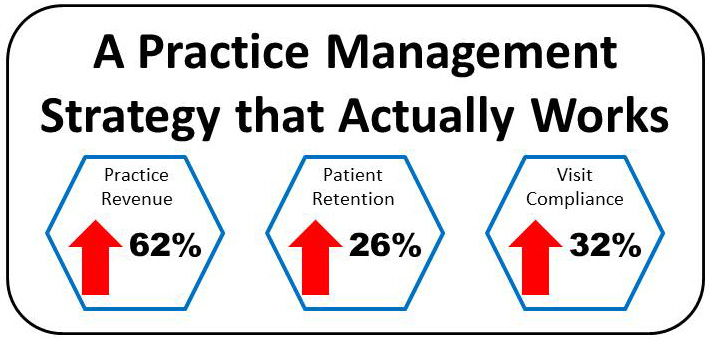
Too many times, your chiropractic practice can languish. You may be doing well but still have more room to grow or maybe you have been seeing a decline in the number of new patients or number of patient visits. You may even just be starting out and trying to figure out how to bring in new patients, pay the bills, and just keep the doors open. The key to overcoming these challenges is to take immediate action and there is no more powerful action you can take to kickstart your chiropractic practice than putting Genesis Chiropractic Software to work for you. In fact, you can power your entire practice with Genesis. Statistics show that new practices that use Genesis Chiropractic Software have proven increases in revenue, retention, and compliance. Even better, these are not small numbers. Practices using Genesis have seen a 32% increase in patient compliance, a 26% increase in patient retention, and a 62% increase in revenue. Genesis is a web-based practice management software that combines the tools and training you need to rapidly increase your professional growth. It combines an exclusive workflow, documentation, scheduling, and billing. Genesis Chiropractic Software is a practice management strategy that actually works. The software has been demonstrated to be a highly valuable and rewarding platform for startups. Whether you’re in the development phase or looking to start generating more patients, Genesis is something that can help you succeed online. The platform has added benefit by saving you and your staff time every day. The time you will spend in Genesis depends on how much of the solution your practice uses. However, the average daily note can be accomplished in under 15 seconds and under 2 clicks. Many visits require much less. This makes Genesis a powerful time management tool. Genesis Chiropractic Software is a practice management strategy that actually works. The Genesis billing platform is a vital component to the revenue increase practices experience when using the software. It is such a robust tool because: Over a dozen teams work for you round the clock to follow up on claims and ensure maximum clean claims with maximum reimbursement Auto-prioritization means the system decides what needs to be followed up on by over 20 MILLION different rules updated daily Real time updates to claim balances means statements are always current Patient questions are answered with a single click. No more sifting through pages and pages of data to find a simple claim update or balance owed Claims are submitted with the highest clean claims rate Fee schedules are reviewed multiple times a year to ensure maximum compliance and reimbursement Whether you are experiencing difficulties in your current practice, are starting a new one, or just want to take your practice to the next level and experience greater success, Genesis Chiropractic Software can help you. Developed by chiropractors, for chiropractors, it is by far the most powerful tool available, allowing chiropractic practices to increase patient retention, compliance, and revenue all in one platform.
Are You Able to Manage Your Practice at a Glance?
Running a chiropractic practice isn’t easy. As the owner and doctor, you have to wear many hats. You have to manage staff, provide patient care, keep up with the bills, and implement the marketing. If you are using an out-of-date practice management and EHR software, your job is even more difficult, having to memory manage all of your tasks or rely on report after report to keep your practice in check. Isn’t it about time that you took the guesswork out of practice management and were able to manage your practice at a glance? If you are using one of those outdated chiropractic software, it’s time to look for something better, something that puts you back in control of your office, brings your entire patient experience together, and makes practice management intuitive and efficient. Genesis Chiropractic software and practice management software is the best chiropractic software available today. With more than 2000 users, Genesis is also the easiest chiropractic practice management system to implement. I know the power of the Genesis system because I helped design it for my own practice. It is designed and built by chiropractors for chiropractors, integrating leading technology with easy-to-launch chiropractic practice management software system. Genesis is a chiropractic software platform that is affordable and powerful enough to help you automate your practice management and increase your practice profitability. With Genesis, you really can manage your practice at a glance. Genesis boils your entire day down into the number of tasks you have to complete to ensure that everything is done to make your practice successful, from patient care and billing to follow-up calls and patient education. Once the tasks are created, Genesis assigns them to the best possible staff member to complete each one. And, with the Genesis Ticket Manager console, you can easily check active and overdue tickets for each user and even interact with the tickets to determine how well each staff member is performing the tasks assigned to them – practice management at a glance. With Genesis, you can finally take the guesswork and memory management out of your practice. Genesis is designed to help you increase patient communication, reduce your patient no shows, automate your visit documentation, easily implement ICD-10 into your chiropractic practice, manage your inventory and more. This intuitive software streamlines your entire practice management, helping increase patient retention and generating more revenue and profits through a chiropractic practice management software system that actually works. The Genesis software platform works so well because it is built on top of a proprietary chiropractic workflow management architecture. This architecture is designed to automate the majority of your practice management tasks, starting with chiropractic billing. In addition, our advanced chiropractic workflow management version includes automated alerts and task generation. Genesis was designed from the ground up to eliminate the need for memory management, promote practice teamwork, and help manage patient communication and relationships. With Genesis, you can finally take the guesswork and memory management out of your practice because it’s about time you had the peace of mind that being able to manage your practice at a glance brings.
Do You Have a Practice Management Strategy that Actually Works?
You spent years and probably hundreds of thousands of dollars getting through chiropractic school and opening your practice; yet, you may not be receiving a good return on your investment. You give every patient your best and you are doing your best to provide a good life for yourself and your family but it still may not be working if your practice management strategy isn’t working. Isn’t it about time that you had a practice management strategy that not only worked but could increase your practice revenue, patient retention, and visit compliance all while allowing you to provide the best possible care for your patients? I can tell you without a doubt, that the solution to your practice management strategy problems is Genesis Chiropractic Software. I developed this software for my own chiropractic practice and saw first-hand the incredible power of leveraging Fortune 500 level tools in my daily practice. Not only did my revenue increase but my patients were happier, more likely to continue care and my stress level went down because I was no longer managing by memory all of the hundreds of daily details involved in running a practice. Genesis Software is an all-in-one solution. Genesis Software is an all-in-one solution. It has all the tools that your practice needs in one easy to use platform. You can get the fastest documentation and the best patient experience in one place. This chiropractic software helps you to increase practice revenue by making sure you get paid in full and on time, giving you the tools to control your practice’s performance, and making it easy to maintain compliant chiropractic notes during your chiropractic billing process. It allows you to check eligibility, check outstanding balances, collect co-pays, and accept credit cards as well as automatically capture and submit claims in real time, avoiding days, weeks, and even months of lost processing time. Genesis’ exclusive design also lets you analyze chiropractic billing performance and focus on patient relationship building, a vital tool in the growth of your practice. Putting Genesis to work in your practice also helps you to increase patient retention by making it easy to follow up on no-shows, schedule and check-in patients, and configure reminder calls. It lets you focus on your patients, not on your documentation and gives you the chance to educate patients and improve patient compliance using software animations built-into your documentation Visit compliance is increased using Genesis too because the software makes it easy for patients to pay bills, schedule appointments, and stay committed to their care. Genesis also gives you automatic compliance alerts, notifying you instantly of potential compliance risks. This allows you to take immediate action to preserve that patient relationship. With the exclusive workflow built into Genesis, you don’t have to memory manage your practice anymore or search through report after report to make sure your practice is running optimally. Best of all, in my opinion, is that Genesis Software allows you to free yourself mentally and physically to focus on growing your dream chiropractic office. With the exclusive workflow built into Genesis, you don’t have to memory manage your practice anymore or search through report after report to make sure your practice is running optimally. Genesis takes the guesswork out of running a Chiropractic office and instead breaks everything down into real-time, usable numbers and tasks. If you are ready for a practice management strategy that actually works, you are ready for Genesis Increased practice revenue, patient retention, visit compliance and better patient care all in one platform, with the added bonus of peace of mind at the end of the day, knowing that your practice is not just good but the best it can be…It doesn’t get better than that.
With Genesis, Patient Retention is Automatic

The patient pool is something that constantly needs to be re-filled for many Chiropractors. It is a never-ending process of finding new patients to replace the ones who have left your practice. This creates a continuous area of work for you, as the doctor. You not only have to handle patient treatment, you are the staff and office manager, the record keeper, the financial manager, and the patient recruiter. Wouldn’t it be easier if once you had a patient, you had an automated system to keep that patient? Wouldn’t it be better if you had a simple way to make sure that every patient became an educated patient, who understood the value of maintenance care to ensure their optimal health? How much easier would your day-to-day practice management be if patient activities were automatic? One of the most valuable steps you can take in your practice is to automate your patient retention. When you are not constantly having to refill your patient pool, you practice can truly grow. The problem is that in many practices, patient retention is another activity that is memory managed and often forgotten until you are trying to discover the reason that you have lost yet another patient. Let’s take a quick look at what activities are necessary for patient retention. The most obvious one is patient education. Have you done everything to ensure that your patient understands the benefit of Chiropractic in their life? Not just how it helps them get out of pain but how Chiropractic can help them reach and maintain optimal health? This area of patient retention can often be neglected, especially when your practice becomes busier and you are seeing a high volume of patients every day. But, there is even more to patient retention than educating them on Chiropractic. Each interaction that you and your staff have with a patient influences whether or not they will continue care, how they feel about your practice, and the value they place on their care. From how your staff greets them when they walk in the door, to how their billing is handled, to making sure re-exams are scheduled, and follow-up calls are completed, every interaction has an effect on patient retention. With that said, how do you develop and maintain a positive experience so that patients know that they are valued, understand the importance of care, and continue seeing you? The answer may be easier than you think. By automating your retention system with Genesis Chiropractic software, you can take the memory management out of patient retention. By automating your retention system with Genesis Chiropractic software, you can take the memory management out of patient retention. I first developed the software for use in my own practice when I discovered that my patients were falling off of care and I did not know why until it was too late. I realized that trying to remember everything and everyone was not working. There were too many tasks each day that were being forgotten, lost in the shuffle, or just not performed as effectively as possible. Because of this, patient retention was haphazard at best and I set out to find a better way. Genesis software was the answer to the problem of patient retention in my practice. It automated every task and ensured that they were assigned to the best person to complete them. At the end of the day, it boiled everything down to one number for me, so that I knew whether or not every activity involved in patient management and retention had been completed or not. It took the guesswork out of patient retention and turned it into an automated system in my practice. It can do the same for you. The value generated by automating patient retention goes beyond just increased revenue. Yes, increasing patient retention means increased financial gains in your practice, but it also means peace of mind, and the freedom to move past hit or miss memory management. Isn’t it about time you moved past memory management in your practice and automated your patient retention?
