
No-Show Risk Management

When patients miss appointments, they interrupt the flow of patient care, impede clinic productivity, and signal an eroding patient loyalty. The rate of no-shows runs at 30% for the average family practice. A missed appointment amounts to missed billing revenue. Worse, if clinicians are part-time or full-time staff rather than contracted, they sit idle on the company clock, losing money with each passing minute. Finally, a missed appointment could be a symptom of a deserting patient, signaling a potential loss of long-term billing revenue. Most clinics lose an average of 20% of their revenue due to missed appointments. Lost revenue may not be the largest problem caused by no-shows. Other problems span health damage, patient liability risks, reduced accessibility, and impeded resident education. Rigorous no-show management methods using advanced technologies integrate scheduling and billing data, reduce no-show rates, and improve associated revenues by more than 50%. They also mention the comparable improvement of long-term patient loyalty (Hashim et al., 2001). No-Show Impact on the Clinic Figure 1. No-Show Impact (Hayhurst, AthenaHealth) A missed appointment poses five kinds of problems: Health damage – A patient’s health can be damaged due to interrupted continuity of care or a missed opportunity to solve an acute health problem. The doctor also loses an opportunity for a timely review of patient health, treatment progress, etc. Liability risk – A patient who misses an appointment and suffers an injury may have a viable cause for a lawsuit against the practice. To avoid such risk, the doctor must maintain evidence of giving clear directions and making reasonable efforts to ensure the patient’s compliance with the care program, including keeping follow-up appointments. Reduced accessibility – Other patients are postponed and don’t get access to care because of a no-show or canceled appointment. Impedance to medical education – A resident or intern misses an opportunity to learn and improve care skills. Loss of revenue – The clinic cannot make up revenue due to missed appointments. A financial impact arises from wasted resources, such as staff time, equipment, and facility utilization, that were allocated for the no-show patient. No-Show Frequency Distribution No-show rates average about 20%: 10% of clinics have less than 10% no-shows, 42% of clinics have 10%–20%, 34% of clinics have 20%–30%, and 14% of clinics have more than 30% no-shows (Izard, 2005). Further, the top 10 clinics regarding the lowest no-show rates range from 3%–9% for no-shows, while the bottom ten clinics reach 33%–57% (Moore et al. 2001). Common reasons behind No-show Forgetfulness: Patients may simply forget about their appointments due to a busy schedule, lack of reminder systems, or cognitive factors. Transportation issues: Lack of transportation or difficulty accessing reliable transportation can prevent patients from attending appointments. Fear or anxiety: Some patients may experience fear or anxiety related to medical procedures, test results, or hospital settings, leading them to avoid or cancel their appointments. Financial constraints: Financial limitations, such as the inability to afford healthcare services or medications, may result in patients skipping or postponing appointments. Illness or emergencies: Patients may have unexpected illnesses or emergencies that prevent them from attending their scheduled appointments. Lack of awareness or understanding: Patients may not fully comprehend the importance of their appointments or the consequences of missing them, particularly for follow-up care or chronic conditions. Language and cultural barriers: Language barriers or cultural differences can impede effective communication and understanding, leading to missed appointments. Long waiting times: Lengthy wait times at hospitals can discourage patients from attending appointments, particularly if they have competing priorities or other time constraints. Stigma or fear of judgment: Patients with certain medical conditions or mental health issues may experience stigma or fear of judgment, causing them to avoid seeking care or attending appointments. Personal or work-related conflicts: Conflicts arising from personal commitments, work schedules, or other obligations may interfere with appointment attendance (Marbouh et al., 2020). The image below shows common reasons for missed appointments (Saif et al., 2018). According to a study, among all patients, those who never have a no-show appointment have an attrition rate of slightly less than 19 percent. In contrast, almost 32 percent of patients with one or more no-shows do not return to the same practice within 18 months (Hayhurst, AthenaHealth). Three-Phase No-Show Management Strategy An effective no-show management strategy is based on tracking, rescheduling, and follow-up: Tracking Record all no-shows and reconcile them with billing daily. Record no-show reasons and follow-up notes in patient records. Review end-of-day reports daily. Rescheduling in real-time Allow patients to request appointments online using the Internet Overbook and use waiting lists. Fill new openings with walk-ins or patients from the waiting list. Follow-up Activate a sequence of reminder calls/emails to all patients ten days, two days, and one day before their appointments. Place follow-up calls to determine reasons for no-shows and reschedule the patients. Reminder calls for upcoming appointments and follow-up calls on recent no-shows are effective strategies for billing revenue protection because they reduce the number of no-shows and help early identification of incipient patient attrition and other patient-related problems (Hashim et al., 2001). Follow up with warning letters after one no-show. Dismiss patients from the practice after three no-shows. Reminder calls or emails before an appointment remains the most effective method to prevent missed appointments. Additionally, sending reminders via email and allowing patients to confirm online turns an office reminder into a patient’s action item, significantly outperforming the impact of a voice message or postcard. While recognizing the benefits of reminder calls, busy practice owners often neglect or postpone reminder and follow-up calls because of other office management priorities, such as personnel issues or billing. As with any other management initiative, a reminder call strategy must be implemented systematically and consistently to get results. Note that outsourcing reminder calls to calling services and using the Internet reduce the cost of reminders. Therefore, reaching all patients before their appointments makes good business sense. Ways to reduce No-shows Automation of appointment reminders: Implementing automated appointment reminders can significantly reduce
Patient Loyalty
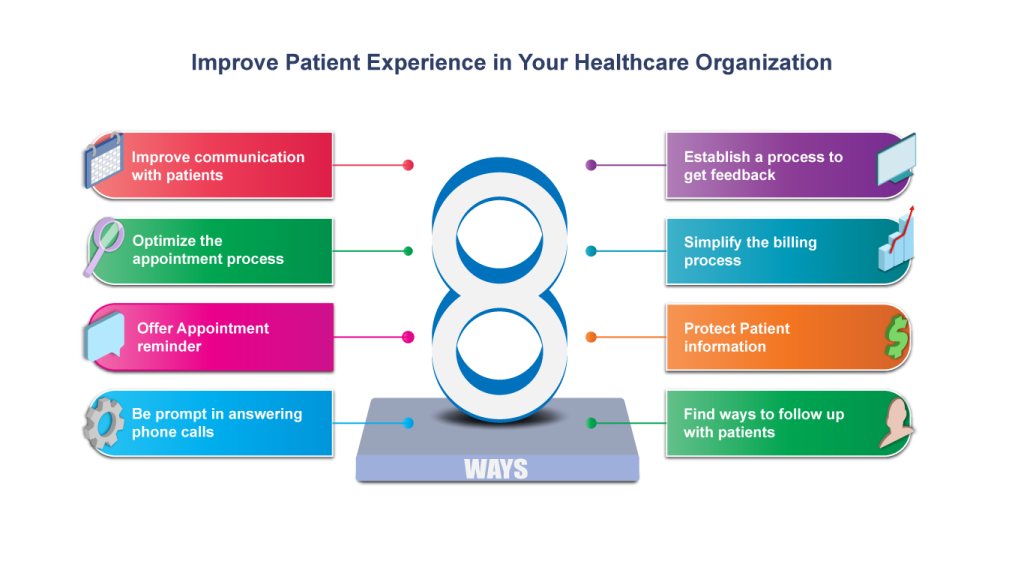
Patient loyalty is essential for the success of healthcare organizations, both in terms of recurring revenue and new patient acquisition. Factors like patient satisfaction, service quality, trust, and effective communication influence patient loyalty. Timely communication, a patient communication portal, and the use of advanced technology, including AI, can enhance the patient experience and foster loyalty. Patient portals offer features like appointment scheduling, secure access to health records, secure messaging, and billing management. AI can personalize patient communication and provide real-time insights, improving patient engagement and adherence.
Redefining Healing: How Technology and Personal Touch Are Shaping the Future of Chiropractic Care
A Modern Approach to Chiropractic Care In the rapidly evolving world of healthcare, chiropractic care is not far behind in embracing the winds of change. Integrating technological innovations, automation, and prioritizing patient experience are more than buzzwords; they are shaping the future of chiropractic practice. This transition is not just confined to large healthcare providers; even smaller clinics are adopting these revolutionary methods. From artificial intelligence to personalized patient interactions, the entire landscape of chiropractic care is shifting. Traditional methods are making way for more efficient, patient-centric, and delightful experiences. This article delves into these transformative concepts and explores how they are revolutionizing chiropractic care, aligning it with the needs of modern society. Conversational Booking and AI: Beyond Traditional Scheduling The era of scheduling appointments through tedious phone calls and manual entries is fading. Modern chiropractic practices are turning to AI-powered conversational booking systems that enable patients to schedule their visits seamlessly. Real-time availability pulled from practitioners’ schedules, immediate confirmations, and efficient coordination are the new norms. Patients appreciate the convenience and speed of this approach, often leaving them impressed even before their first visit. For practitioners, this technology not only frees up administrative time but sets the stage for an ongoing relationship that prioritizes individual needs. As a result, the first impression is no longer made in the waiting room; it starts with a smooth and personable booking experience that signals professionalism and care. The Rise of Automation: A Competitive Edge Automation has transcended beyond a mere trend to become a vital part of modern chiropractic care. Implementing automation is not about replacing human touch but enhancing it by removing repetitive tasks. Automation can provide unique and competitive services, offering efficiencies that allow practitioners to focus more on patient care. Clinics that quickly adapt to automation are positioning themselves as industry leaders, differentiating their services in a crowded market. But this advantage may be short-lived as automation becomes the industry standard. Those who act fast will find themselves at the forefront, while late adopters may struggle to keep pace. Integrating automation is more than a strategic move; it’s an imperative adaptation to the technological age. Customer Experience: The Art of Surprise and Delight Chiropractic care has traditionally focused on treatment and recovery, but modern practices understand that the patient experience goes far beyond that. Small shifts in customer service, such as offering a warm greeting, a refreshment, or personal attention, can lead to significant improvements in patient satisfaction. This philosophy of surprising and delighting patients is not new; it has been studied across various industries and adapted to healthcare with great success. By creating a culture of kindness, attention, and connection, clinics are building deeper relationships with their patients. These positive interactions, whether through thoughtful gestures or attentive listening, become stories that patients share, creating a positive reputation in the community. Personal Connection Through Technology: Beyond Text Messages Chiropractors are now leveraging technology to foster personal connections with their patients. Sending a video or selfie from the doctor to a first-time patient is not just a novel idea; it’s a symbol of modern, connected healthcare. It signals that the care provider is accessible, friendly, and engaged, setting the tone for the patient’s experience. This approach reflects a broader shift in healthcare towards patient-centered care that extends beyond clinical interactions. It’s about building trust and connection through technology while retaining the human touch. This blend of technology and personalized interaction elevates the patient experience and offers a fresh perspective on what chiropractic care can be. Collaboration and Community Engagement: A Win-Win Situation Collaboration and community engagement are at the heart of sustainable chiropractic practices. By building partnerships with industry leaders, engaging with community stakeholders, and aligning with local needs, chiropractors can expand their reach and impact. This collaborative approach fosters knowledge sharing, joint initiatives, and community well-being. Active participation in community events, health fairs, and educational seminars enables chiropractors to connect with potential patients and other healthcare providers. It’s not just about marketing; it’s about contributing to the overall wellness of the community. This symbiotic relationship between chiropractors and their community enriches both, building trust, and strengthening connections. A New Era for Chiropractic Care The chiropractic field is entering a new era, one that combines the wisdom of traditional practice with the efficiencies and personal touches made possible by modern technology. The integration of AI-powered conversational booking, the rise of automation, a renewed focus on customer delight, and the spirit of collaboration is paving the way for an industry that’s ready for the future. This transformation underscores a fundamental evolution in chiropractic care, moving from a purely clinical focus to an approach that prioritizes innovation, connection, and the holistic well-being of its patients. It is a model that resonates with the values of modern society and positions chiropractic care as a dynamic and essential part of the healthcare ecosystem.
Leveraging AI for Improved Patient Care
In a recent discussion, Dr. Brian Paris from Genesis Chiropractic Software and Dr. Joe Ferrantelli from PostureCo, came together to discuss how the collaboration between Genesis Chiropractic Software and PostureCo is transforming chiropractic care. Their conversation provided fascinating insights into how the integration of software and AI is enhancing both clinical practice and patient experience. Genesis Chiropractic Software is well-known for its innovative contributions to the chiropractic landscape. It offers an all-in-one practice management solution that ensures efficiency, profitability, and improved patient care. On the other side, PostureCo, led by Dr. Ferrantelli, specializes in biomechanical software applications for health care providers. They’ve leveraged cutting-edge technology to develop apps that help with posture analysis, spinal screenings, and chiropractic evaluations. This collaboration between Genesis and PostureCo signifies a game-changing approach to chiropractic care. Here are some of the key points discussed by Dr. Paris and Dr. Ferrantelli: Enhanced Precision with AI: PostureCo’s software utilizes AI for capturing radiographic measurements and creating detailed reports. This high precision not only ensures better diagnosis and treatment but also aids in educating patients about their problems. Streamlined Documentation: The software automatically generates a comprehensive medical report, complete with average normal angles, ideal values, patient values, and a percent difference at every single level. These can be directly sent to Genesis, facilitating seamless report building and significantly saving time. Interactive Patient Education: With the aid of a viewbox, practitioners can show patients their problems in real-time during Report of Findings (ROF) sessions. This aids in promoting a better understanding of their conditions and the necessary treatments. Documented Care and Treatment Planning: With measurements that dictate care, practitioners can now document their treatment approaches more efficiently. This not only helps in building their practice but also in providing the best care for their patients. Portability and Adaptability: The PostureCo app, which can run on iOS, offers features like movement screens and posture analysis. It can be used on-site during seminars or spinal screenings, making it an excellent tool for outreach and patient engagement. Functional Screens and Corrective Exercises: The app can predict abnormal movement and link to corrective exercises based on the data from overactive and underactive muscles. It offers flexibility to clinicians to interpret and use the data according to their preferred protocols. Ergonomic Assessments: The app also provides options for ergonomic assessments, enabling clinicians to address the widespread posture issues stemming from today’s work-from-home culture. In conclusion, this collaboration between Genesis Chiropractic Software and PostureCo presents an exciting development in the world of chiropractic care. It’s an integration that not only enhances the practitioners’ efficiency but also improves patient experience and health outcomes.
Shifting Focus to Lifestyle and Patient Retention with Dr. Brian Paris and Dr. Fred DiDomenico
Introduction In recent years, the chiropractic industry has seen a significant shift in focus from treating acute pain to promoting a lifestyle that supports spinal health and overall well-being. This transformation has been spearheaded by innovative chiropractic practitioners and coaches, such as Dr. Fred D. Dominico of Elite Coaching. In this article, we will explore the importance of patient retention and the patient visit average (PVA) in chiropractic care and discuss how chiropractors can leverage technology to create their dream practices. Redefining Success in Chiropractic Care Traditionally, chiropractors have focused on treating patients’ immediate concerns, such as back pain, and have measured their success by the number of new patients they acquire. However, this approach has led to a disconnect between chiropractic principles, which promote a healthy lifestyle centered on spinal care, and the actual practice of chiropractic care. Dr. Dominico believes that the key to bridging this gap lies in shifting the focus of chiropractic care from short-term relief to long-term health and wellness. The Importance of Patient Retention Patient retention is crucial for chiropractors who want to build successful practices and genuinely impact their patients’ lives. A high PVA indicates that patients are committed to their chiropractic care and are more likely to adopt a spinal care lifestyle. This shift from merely providing temporary relief to encouraging a lifelong commitment to spinal health can lead to better patient outcomes and a more fulfilling practice for the chiropractor. Communication and Human Behavior To improve patient retention and promote a spinal care lifestyle, chiropractors must study human behavior and adapt their communication strategies accordingly. Dr. Dominico discovered that effectively wiring patients’ minds on day one, when they are in a highly emotional state, can have a lasting impact on their commitment to chiropractic care. By associating pain relief with the adoption of a spinal care lifestyle, chiropractors can help patients make better long-term decisions for their health. Leveraging Technology for Practice Management By harnessing the power of technology, chiropractors can create their dream practices and focus on patient retention. Genesis, a single-point management solution, allows chiropractors to track patient visit averages and other key metrics, ensuring that their practice is on the right track. With four of Dr. Dominico’s clients ranking among the top 15 in PVA, it’s clear that technology can play a significant role in supporting chiropractic practices that prioritize patient retention and a spinal care lifestyle.
Combining Workouts With Chiropractic Care
At-Home Chiropractor Human bodies were designed to be in motion, and chiropractic care can help keep them active. Movement helps to strengthen muscles, build bones, and improve joint motion. Walking may be one of the simplest ways to stay healthy, while more physical activities such as strength and cardio fitness training can improve endurance, boost heart health, and protect the brain from cognitive decline. While many forms of physical activities are encouraged by chiropractors, stretching exercises are particularly helpful in improving flexibility and strengthening the muscular-skeletal system. Strength Training Strength training involves building muscle and is a form of exercise that does not require the presence of free oxygen, unlike cardio training. It involves short, quick bursts of movement to build targeted muscles. As an at-home chiropractor like one from Lotus Wellness Center can explain, proper training increases muscle size and supports the skeletal structure while strengthening the body core. By training back muscles to react quickly, the practice helps with sustaining balance and preventing muscle strain. It also supports building strong bones and helps to manage chronic health issues such as arthritis. Beginners should be advised to make a slow start and build up gradually to prevent strain and injury. Cardio-Respiratory Unlike strength training, individuals doing cardio exercises will need large amounts of free oxygen because of the strenuous nature of the activities. Cardio-respiratory exercises can benefit the human body in numerous ways. When practiced regularly, cardio training can: Strengthen the heart and lower blood pressure Increase the supply of oxygen to the body and brain Increase the metabolism and provide for more energy Decrease appetite for better weight management Increase neural activity in the brain and stimulate areas associated with memory Help to eliminate lactic acid build-up and muscle soreness from strenuous exercise Stabilize blood sugar and help to manage diabetes Stretching Exercises Stretching is effective in strengthening the body core and elongating the muscles. It also allows for significant flexibility of the spine, which is important as the body ages and becomes less pliant. In addition to adjustments and therapy, chiropractors will often prescribe stretching exercises for patients to do at home. The exercises are beneficial for soothing pain and nourishing the nervous system. Chiropractic Care While cardio and strength training can build up the body and help prevent injuries and strains from occurring, spinal adjustments and treatment of muscular-skeletal issues are generally associated with chiropractic care. If you believe you could benefit from an adjustment, call your chiropractor to schedule an appointment.
Adding Chiropractic Manipulative Therapy to Standard Medical Care for Patients With Acute Low Back Pain: Results of a Pragmatic Randomized Comparative Effectiveness Study
Title Adding Chiropractic Manipulative Therapy to Standard Medical Care for Patients With Acute Low Back Pain: Results of a Pragmatic Randomized Comparative Effectiveness Study A ChiroSecure Research Update Abstract To assess changes in pain levels and physical functioning in response to standard medical care (SMC) versus SMC plus chiropractic manipulative therapy (CMT) for the treatment of low back pain (LBP) among 18 to 35-year-old active-duty military personnel. Discussion LBP is common, costly, and a significant cause of long-term sick leave and work loss. Many different interventions are available, but there exists no consensus on the best approach. One intervention often used is manipulative therapy. Current evidence from randomized controlled trials demonstrates that manipulative therapy may be as effective as other conservative treatments of LBP, but its appropriate role in the healthcare delivery system has not been established. Prospective, 2-arm randomized controlled trial pilot study comparing SMC plus CMT with only SMC. The primary outcome measures were changes in back-related pain on the numerical rating scale and physical functioning at 4 weeks on the Roland-Morris Disability Questionnaire and back pain functional scale (BPFS). Mean Roland-Morris Disability Questionnaire scores decreased in both groups during the course of the study, but adjusted mean scores were significantly better in the SMC plus CMT group than in the SMC group at both week 2 ( P < 0.001) and week 4 ( P = 0.004). Mean numerical rating scale pain scores were also significantly better in the group that received CMT. Adjusted mean back pain functional scale scores were significantly higher (improved) in the SMC plus CMT group than in the SMC group at both week 2 ( P < 0.001) and week 4 ( P = 0.004). The results of this trial suggest that CMT in conjunction with SMC offers a significant advantage for decreasing pain and improving physical functioning when compared with only standard care, for men and women between 18 and 35 years of age with acute LBP. Reference Goertz, Christine M., DC, PhD*; Long, Cynthia R., PhD*; Hondras, Maria A., DC, MPH*; Petri, Richard, MD†; Delgado, Roxana, MS‡; Lawrence, Dana J., DC, MMedEd, MA§; Owens, Edward F., MS, DC¶; Meeker, William C., DC, MPH. Spine: April 15, 2013 – Volume 38 – Issue 8 – p 627-634. https://journals.lww.com/spinejournal/Abstract/2013/04150
Blood pressure changes in African American patients receiving chiropractic care in a teaching clinic: a preliminary study
A ChiroSecure Research Update Abstract The purpose of this preliminary study was to determine if a course of chiropractic care would change blood pressure measurements in African American patients and to determine if a study was feasible in a chiropractic teaching clinic. Discussion Twenty-four African American patients received chiropractic care in a chiropractic teaching clinic over a study period that spanned 23 visits for each patient. Inclusion criteria consisted of patients having a diagnosis of prehypertension (120-139/80-89) or hypertension stage 1 (140-159/90-99). The mean values of 3 baseline blood pressure readings were compared with the mean values of blood pressure readings taken on visits 21, 22, and 23. This study showed that research of this nature may be feasible in chiropractic teaching clinics. The preliminary findings of this study showed that, for a subgroup of African American patients receiving chiropractic care, blood pressure decreased for (a) hypertension stage 1 patients and (b) the sample when those with excessive body mass index were excluded. Reference McMasters KL, Wang J, York J, Hart J, Neely C, Delain RJ. Blood pressure changes in African American patients receiving chiropractic care in a teaching clinic: a preliminary study. J Chiropr Med. 2013;12(2):55–59. doi:10.1016/j.jcm.2013.06.002. https://www.ncbi.nlm.nih.gov/pubmed/24294146
Outcomes of Pregnant Patients With Low Back Pain Undergoing Chiropractic Treatment
A ChiroSecure Research Update Outcomes of Pregnant Patients With Low Back Pain Undergoing Chiropractic Treatment Abstract The purpose of an outcome study of pregnant patients with low back or pelvic pain undergoing chiropractic was 1) to report outcomes in receiving chiropractic treatment; 2) to compare outcomes from subgroups; 3) to assess predictors of outcome. Baseline numerical rating scale (NRS) and Oswestry questionnaire data were collected. Duration of complaint, number of previous LBP episodes, LBP during a previous pregnancy, and category of pain location were recorded. Low back (LBP) and pelvic pain in pregnant women is such a common phenomenon, affecting 50-80%, that it is often considered a normal part of the pregnancy. Discussion Out of the 115 recruited pregnant patients, 52% ‘improved’ at 1 week, 70% at 1 month, 85% at 3 months, 90% at 6 months and 88% at 1 year. There is clinical evidence that proves most pregnant patients undergoing chiropractic treatment reported relevant improvement at all time points up to 1 year. No serious adverse events were reported in this study and over 85% of the patients were happy or very happy with their chiropractic treatment. Adverse events from spinal manipulation to pregnant women or those in the early post-partum period are very rare with only 7 cases found in the literature. The impact that LBP or pelvic pain may have on quality of life, as well as the fact that back pain during pregnancy is commonly linked to low back pain persisting after pregnancy, mandates that it be taken seriously by health care practitioners. Reference Peterson, C.K., Mühlemann, D. & Humphreys, B.K. Outcomes of pregnant patients with low back pain undergoing chiropractic treatment: a prospective cohort study with short term, medium term and 1 year follow-up. Chiropr Man Therap 22, 15 (2014). https://doi.org/10.1186/2045-709X-22-15
Three most common people problems
Hey everyone. Dr Brian Capra here from Genesis Chiropractic Software with another episode. Today I want to talk to you about the three most common types of people problems. And I mean, by people I mean your team, and when I mean problems, the things that cause them or prevent them from performing to their fullest level and serving the function in your office and your business. Number one is a training issue. So we talked about recently, people process technology. We talked about how the technology should, especially with Genesis, would show you by the end of the day how many tasks, or during the day, how many tasks each person in your office would have to perform. And then by the end of the day you’d know what was left, if anything, which there shouldn’t be anything. But what if there was something left over that wasn’t completed before the end of the day? It’s an easy conversation. It’s proactive, you’re proactively managing the patient experience. So now you go on there and you go to your team member and you say, “what happened? There’s 10 of these tasks left over.” And you look at them, let’s say they’re all 10 are no shows. You might be concerned, you might say, “Hey, you know what? Why haven’t you followed up on all these things?” And they may say to you, “well I just started on Tuesday and I don’t know how to do that one thing.” So there you have a training issue and they just need better training, but at least you were proactive about it. All right, so that’s a simple one. Training issue. Second example, the second most common problem is a capacity issue. Capacity is very simple. “There’s 10 things leftover. What happened? How could I help you with these 10 things that are left over?” “Well I did 50 and those are just the 10 that are remaining.” So now we can see that they are just purely out of their capacity to be able to do that amount of work for that simple problem in the practice. So now they go in and you say, okay, we may need more team members, we may need to automate certain things. Maybe if we turned on text reminders and appointment reminders and emails and things like that, maybe that would decrease the need for how many no shows are happening in the practice. Maybe you see a 2000 patients a week and there’s only 10 left at the end of the day, yet you still have a capacity issue. So you can automate in those cases or sometimes you really just need another person. The third type of thing that can happen, pretty simple is a wrong seat, wrong law office type of problem. So in that case, you have a situation where you go to that person and you say, “how come you haven’t called all the no-shows or how come all these re exams didn’t get scheduled today?” Or whatever the case may be, they may say to you, “you know, I really, really hate doing that thing, that type of task, I hate doing it. It’s too confrontational for me. What I’d rather do is call companies and follow up on insurance claims or handle care plans or financials or whatever.” So in that case, you have a great person on your team that wants to work real hard, but they’re just in the wrong seat in your practice, meaning the wrong role in your business. And so you have a good person in the wrong seat. So that’s a wrong seat problem. Now, the wrong practice, wrong business problem. Now you have a real problem. So this should be mitigated by some of your upfront hiring protocols, how you hire people, how you find people, how you find people to apply for your office, your application process. I definitely recommend you work with Chiro Matchmakers if you’re a chiropractic office. It’s a staffing company for Chiropractic offices, they do a lot of profiling, making sure you’re hiring the right person for the role you’re looking for. But if you get somebody in your office that understands the mission of your business, your why behind your business, your core values in your business, and you hire them for a certain role and then they tell you they hate it, it could happen. It does happen. They’re just in the wrong seat or the wrong business, They’re working for the wrong type of business. Now, what’s great about technology with Genesis, since you know right there and then, the day that there’s too many tasks that are left over, and as soon as you confront the person about that, and it’s not confrontational necessarily, but you’re going to approach it in a proactive way and say, “how can I help you with that thing?” And they tell you, “you know what, I hate doing that thing and I never am gonna like it. And I hate this.” Basically, it’ll come up pretty quickly. You’ll figure out, you might shift them into a different role and they don’t perform there either. So then you have the wrong person in the wrong business. So we talked about there’s three types of common issues with staff, with people in your practice, your business. One is training, two is capacity and three, wrong seat or wrong business. So this pretty simple short video I definitely, to prevent, the capacity and the training issues are easy. Even the wrong seat is relatively easy. Preventing hiring the wrong person, that’s a bigger problem. You want to make sure you have really good hiring processes. I definitely recommend you work with Chiro Matchmakers to make sure you get the right person for your business, before you find the right seat for them. Okay. Thanks so much. Have a great weekend. I’ll talk to you soon.
