
Factoring

Introduction Factoring can improve cash flow and operational efficiencies, and it is used in many industries, including the healthcare sector. With this strategy, businesses sell their accounts receivable at a discount to a factoring company (the factor), giving them access to quick cash. The burden of recovering the debt from the consumer who has not paid their invoice is transferred to the factoring company. The corporation has access to its earnings immediately, skipping the customary payout period (Ferguson, 2020, Factris, 2021). Popularity of Factoring The worldwide factoring services industry will reach USD 3.5 billion by 2032, growing 8.5% annually. The market’s growth is driven by cash flow management, working capital financing, and SMEs’ use of factoring services (FID Reports and Data, 2023). The U.S. factoring services market will reach USD 287.61 billion by 2030, growing 8.1% from 153.96 billion in 2022 (Grand View Research, 2023). According to a survey, factoring services have grown in popularity, especially among Micro, Small, and Medium-Sized Enterprises (MSMEs) that have trouble securing appropriate financing, particularly in working capital. There are 127 factoring companies in the US and Canada. Mazon Associates in Dallas, Crown Financial in Houston, Provident Commercial Finance in Chattanooga, Bankers Factoring near Atlanta, J D Factors in Los Angeles, and Velocity Financial in Midland are considered to be the top-performing 2023 companies (Factoring Club, 2023). A few other examples include (Treece, 2023): FundThrough offers 100% advance rates on up to $10 million in finance, with costs starting at 2.75%. Riviera Finance offers 95% advances on $5,000–$2 million loans. They are known for their individualized service and face-to-face knowledge. altLINE offers up to 90% advances and can quote lending amounts. They specialize in huge invoices and charge 0.50% APR. TCI Business Capital finance $50,000–$10 million at 60%–90% advance rates. They offer bespoke factoring solutions and don’t disclose their APR. Healthcare providers frequently encounter delays in receiving reimbursements from insurance companies. The quality of healthcare providers’ services may suffer due to delays (Fundbox, 2023). Healthcare providers use factoring firms to speed up the payment procedure. They sell the health insurance claims—basically unpaid invoices—to factoring companies, who recover the claim payments from the insurance providers. By ensuring prompt claim payouts, this method aids healthcare providers in maintaining their highest levels of operational effectiveness. On the other hand, some practice owners may disapprove of the factor’s specific approach to managing patient or payer interactions (Factris, 2021). Factoring Process Initially, healthcare vendors or medical providers send invoices (claims) to either a medical provider or third-party payer (Medicaid, Medicare, private insurance companies) for services rendered or goods provided. Following this, a copy of the invoices, along with any supporting documentation, is submitted to a factoring company like PRN Funding, LLC (PRN Funding, 2020). Subsequently, the factoring company purchases these invoices and advances 80-90% of their face value, with funds typically deposited directly into the vendor’s or provider’s bank account within 24-72 hours. The remaining percentage is used as a buffer in case some bills do not get paid or if there are billing errors. Eventually, the reserve, less the factoring fee, is released back to the vendor or provider after receiving payments (PRN Funding, 2020). Step-by-Step: Healthcare vendors or medical providers send medical claims to medical providers or third-party payers (such as Medicaid, Medicare, or private insurance companies). A factoring business (the factor) Receives copies of the invoices and any necessary supporting documentation. Purchases these invoices at a discount, typically around 80-90% of their face value. Advances the funds directly into the vendor’s or provider’s bank account within 24-72 hours. Holds a portion of the invoice amount as a reserve in case some bills go unpaid or there are billing errors. Assumes the responsibility of collecting outstanding payments from insurance providers, relieving the healthcare provider from the burden of debt collection. Collects the payments received from insurance companies or third-party payers. Releases the reserve, minus the factoring fee, back to the vendor or provider once the payments are received. How does the factor estimate the quality of the outstanding claims? The factor assesses the quality of outstanding claims through various methods and criteria. This assessment helps determine the likelihood of prompt payment, helps minimize non-payment risk, and ensures that the factor can provide immediate capital to healthcare providers while maintaining a reasonable level of risk. Here’s how the factor determines the quality of the outstanding claims: Evaluation of the payer: The factor examines the insurance companies or third-party payers responsible for reimbursing the claims. They consider the payer’s reputation, track record of timely payments, financial stability, credit scores, and payment history. Specific policies, guidelines, and requirements for claim processing. These include claim submission deadlines, pre-authorization requirements, and claim acceptance rates. Collaboration with healthcare providers: Factors collaborate closely with healthcare providers to gather information about outstanding claims. Providers may share their experiences with different payers, providing valuable insights into the quality and reliability of the claims. Verification of claim documentation: The factor reviews the supporting documentation accompanying the outstanding claims. This includes verifying the accuracy and completeness of the medical records, coding, and billing information. Thorough documentation ensures that the claims are valid and are more likely to be paid. Analysis of historical data: The factor analyzes the provider’s historical payment patterns from different insurance companies or payers. This analysis helps identify any trends or patterns of delayed payments or denials, providing insights into the quality and reliability of the outstanding claims. Industry Knowledge and Expertise: Factors with experience in the healthcare industry develop expertise and knowledge about various payers, their reimbursement practices, and the industry’s dynamics. They stay updated with industry news, regulatory changes, and trends that may affect payment processes. This industry knowledge enables them to predict payment delays and amounts. Strategies for Choosing the Best Factor for Your Practice The factor selection decision depends on the factor’s stability and track record, the factoring service fees (2%-3.5% monthly was typical in 2022), the terms of the factoring agreement, the type
Tasks, Checklists, and Problem Management
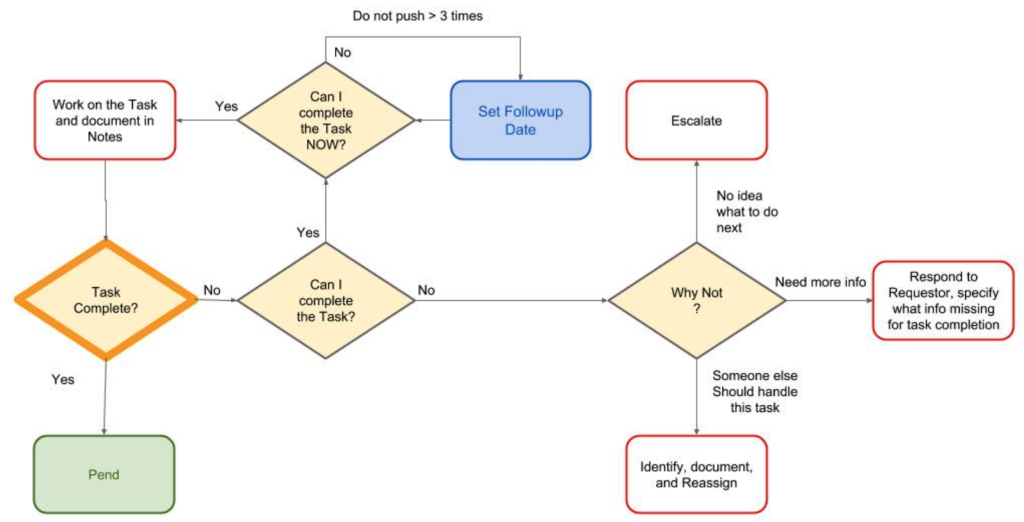
This blog chapter discusses the importance of standard operating procedures (SOPs) and checklists in problem resolution within the context of complex billing processes, with a focus on medical billing. It explores the characteristics of an effective tracking system for problem management and emphasizes the benefits of using tasks over email or other communication tools. The article provides a structured approach to creating tasks and highlights the significance of transparency, accountability, and measurement in this process.
Fifteen Criteria for Best SaaS
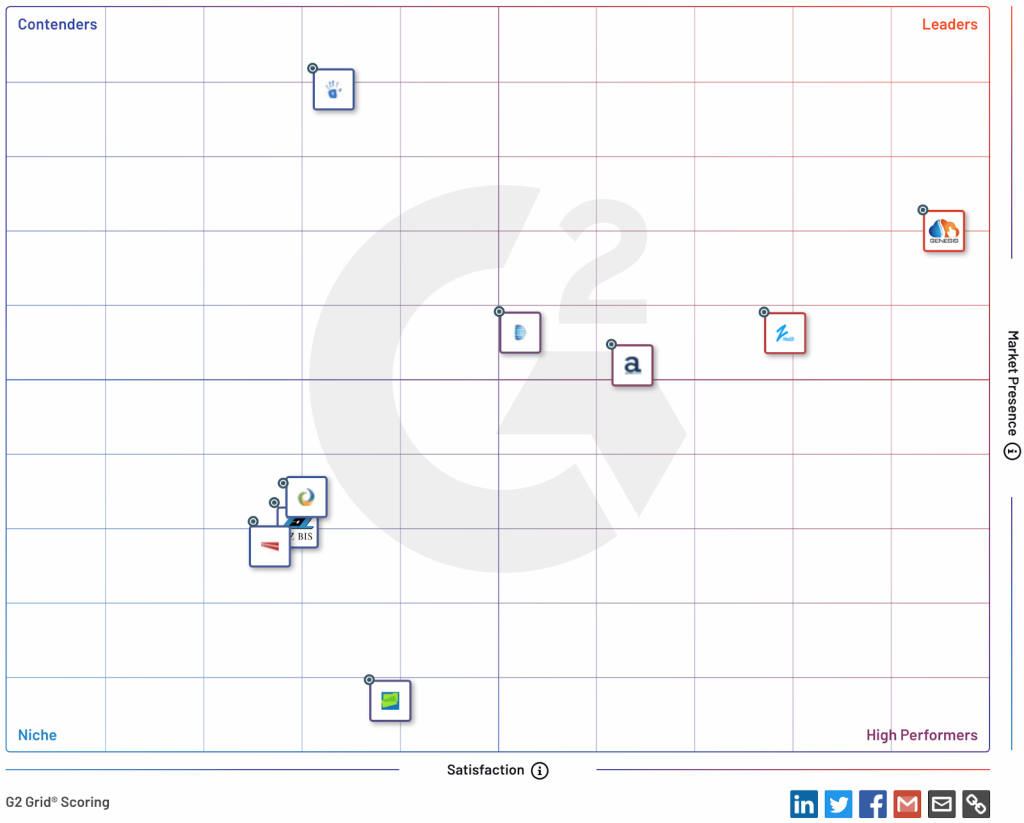
The use of Software as a Service (SaaS) in healthcare has transformed medical practice management by offering scalable, cost-effective, and AI-integrated solutions. SaaS shifts system management responsibilities to vendors, allowing healthcare providers to access applications without the need for significant upfront investments. Selection criteria for a SaaS vendor include functionality, training, performance, HIPAA compliance, and more. Platforms like Capterra and G2 simplify the evaluation process, with Genesis Chiropractic Software being recognized as a leader in chiropractic software. In conclusion, SaaS in healthcare offers convenience and efficiency, with AI integration enhancing automation, patient engagement, and data security.
Patient Loyalty
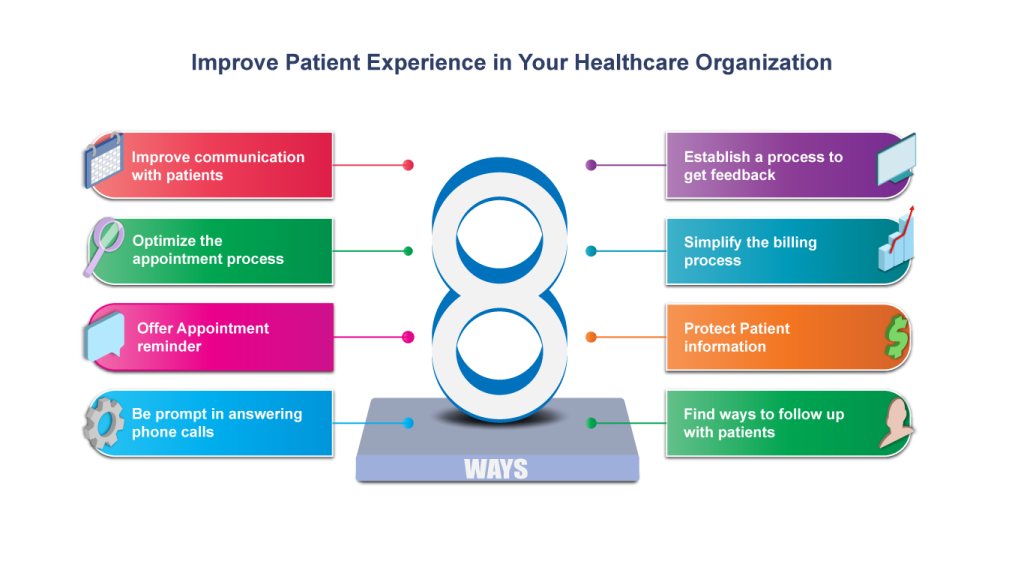
Patient loyalty is essential for the success of healthcare organizations, both in terms of recurring revenue and new patient acquisition. Factors like patient satisfaction, service quality, trust, and effective communication influence patient loyalty. Timely communication, a patient communication portal, and the use of advanced technology, including AI, can enhance the patient experience and foster loyalty. Patient portals offer features like appointment scheduling, secure access to health records, secure messaging, and billing management. AI can personalize patient communication and provide real-time insights, improving patient engagement and adherence.
Discovering a True Partner in Genesis Chiropractic Software: Dr. Melinda Richardson’s Testimonial
In the bustling heart of San Jose, California, you’ll find the renowned Posture Lounge, led by Dr. Melinda Richardson. With her years of experience and dedication to her patients, she understands the importance of utilizing the right tools to ensure the smooth operation of her practice. In a candid testimonial, Dr. Richardson recounts her journey with Genesis Chiropractic Software. Starting her narrative from 2020, she passionately shares her experiences, shedding light on what sets Genesis apart from other EHR systems. A Journey from Discontent to Satisfaction Before Genesis, Dr. Richardson struggled with an EHR provider with lackluster customer service. The shift to Genesis was like coming home, she recalls. Their unwavering support, patience, and positive attitude made all the difference, especially during the challenging phase of implementation. Innovative Features that Empower Chiropractors Dr. Richardson is particularly impressed with the ease of using the software, be it for soap notes, patient kiosks, or the specialized app. The capability to integrate patient X-rays seamlessly and the visual features that cater to her CBP methods further enhances her practice’s efficiency. For her, the tools Genesis offers aren’t just about record-keeping but also about enhancing patient experiences. A Promise of Longevity What’s clear from Dr. Richardson’s testimonial is the trust she has placed in Genesis. Its affordability coupled with robust features assures her that this is a relationship she’s keen to maintain for the long haul. In the world of chiropractic care, having a dependable software partner can be transformative. Genesis Chiropractic Software is not just a tool but an extension of a practice’s mission to provide the best care to its patients. Are you intrigued by Dr. Richardson’s experience and wondering how Genesis can elevate your chiropractic practice? Become part of the Genesis family, and let’s create success stories together.
Redefining Healing: How Technology and Personal Touch Are Shaping the Future of Chiropractic Care
A Modern Approach to Chiropractic Care In the rapidly evolving world of healthcare, chiropractic care is not far behind in embracing the winds of change. Integrating technological innovations, automation, and prioritizing patient experience are more than buzzwords; they are shaping the future of chiropractic practice. This transition is not just confined to large healthcare providers; even smaller clinics are adopting these revolutionary methods. From artificial intelligence to personalized patient interactions, the entire landscape of chiropractic care is shifting. Traditional methods are making way for more efficient, patient-centric, and delightful experiences. This article delves into these transformative concepts and explores how they are revolutionizing chiropractic care, aligning it with the needs of modern society. Conversational Booking and AI: Beyond Traditional Scheduling The era of scheduling appointments through tedious phone calls and manual entries is fading. Modern chiropractic practices are turning to AI-powered conversational booking systems that enable patients to schedule their visits seamlessly. Real-time availability pulled from practitioners’ schedules, immediate confirmations, and efficient coordination are the new norms. Patients appreciate the convenience and speed of this approach, often leaving them impressed even before their first visit. For practitioners, this technology not only frees up administrative time but sets the stage for an ongoing relationship that prioritizes individual needs. As a result, the first impression is no longer made in the waiting room; it starts with a smooth and personable booking experience that signals professionalism and care. The Rise of Automation: A Competitive Edge Automation has transcended beyond a mere trend to become a vital part of modern chiropractic care. Implementing automation is not about replacing human touch but enhancing it by removing repetitive tasks. Automation can provide unique and competitive services, offering efficiencies that allow practitioners to focus more on patient care. Clinics that quickly adapt to automation are positioning themselves as industry leaders, differentiating their services in a crowded market. But this advantage may be short-lived as automation becomes the industry standard. Those who act fast will find themselves at the forefront, while late adopters may struggle to keep pace. Integrating automation is more than a strategic move; it’s an imperative adaptation to the technological age. Customer Experience: The Art of Surprise and Delight Chiropractic care has traditionally focused on treatment and recovery, but modern practices understand that the patient experience goes far beyond that. Small shifts in customer service, such as offering a warm greeting, a refreshment, or personal attention, can lead to significant improvements in patient satisfaction. This philosophy of surprising and delighting patients is not new; it has been studied across various industries and adapted to healthcare with great success. By creating a culture of kindness, attention, and connection, clinics are building deeper relationships with their patients. These positive interactions, whether through thoughtful gestures or attentive listening, become stories that patients share, creating a positive reputation in the community. Personal Connection Through Technology: Beyond Text Messages Chiropractors are now leveraging technology to foster personal connections with their patients. Sending a video or selfie from the doctor to a first-time patient is not just a novel idea; it’s a symbol of modern, connected healthcare. It signals that the care provider is accessible, friendly, and engaged, setting the tone for the patient’s experience. This approach reflects a broader shift in healthcare towards patient-centered care that extends beyond clinical interactions. It’s about building trust and connection through technology while retaining the human touch. This blend of technology and personalized interaction elevates the patient experience and offers a fresh perspective on what chiropractic care can be. Collaboration and Community Engagement: A Win-Win Situation Collaboration and community engagement are at the heart of sustainable chiropractic practices. By building partnerships with industry leaders, engaging with community stakeholders, and aligning with local needs, chiropractors can expand their reach and impact. This collaborative approach fosters knowledge sharing, joint initiatives, and community well-being. Active participation in community events, health fairs, and educational seminars enables chiropractors to connect with potential patients and other healthcare providers. It’s not just about marketing; it’s about contributing to the overall wellness of the community. This symbiotic relationship between chiropractors and their community enriches both, building trust, and strengthening connections. A New Era for Chiropractic Care The chiropractic field is entering a new era, one that combines the wisdom of traditional practice with the efficiencies and personal touches made possible by modern technology. The integration of AI-powered conversational booking, the rise of automation, a renewed focus on customer delight, and the spirit of collaboration is paving the way for an industry that’s ready for the future. This transformation underscores a fundamental evolution in chiropractic care, moving from a purely clinical focus to an approach that prioritizes innovation, connection, and the holistic well-being of its patients. It is a model that resonates with the values of modern society and positions chiropractic care as a dynamic and essential part of the healthcare ecosystem.
From Flops to Mega Hits: How Cash Practice is Turning ‘Average Joes’ into Chiropractic Rockstars!
A high retention practice is a dream come true for any chiropractor. Achieving it is not an easy task, but the rewards are worth it. In this blog post, we will explore how to effectively use Cash Practice, a set of tools and strategies designed to help chiropractic practices improve patient retention. The Four F’s of Cash Practice A successful practice is underpinned by four essential elements, collectively known as the Four F’s: Forecasting, Frictionless payment experience, Feedback that’s intuitive, and Frequent contact. Forecasting helps the patient understand their care plan, including treatment costs and duration. With this transparent communication, patients can make well-informed decisions about their health journey. Moreover, forecasting also allows chiropractors to plan resources efficiently, enabling them to deliver optimum care. Frictionless Payment Experience is all about ensuring that the financial aspects of care don’t become a barrier for patients. By making payments straightforward and manageable, Cash Practice can mitigate the stress and confusion often associated with medical bills, leading to improved patient retention. Feedback that’s Intuitive involves implementing systems to gain insights into patient experiences. Understanding a patient’s experience, their satisfaction levels, and their suggestions for improvement is crucial to refining your practice and fostering strong patient relationships. Frequent Contact fosters a sense of trust and belonging among patients. Regular engagement, both in person and via automated emails or messages, ensures that the patients are well-informed and feel cared for. This level of involvement is key to building a high-retention practice. Embracing Tech in Patient Education In the information age, effective patient education can be the differentiating factor for a chiropractic practice. Innovative practices are leveraging email education to maintain regular contact with their patients, keeping them informed and engaged throughout their healthcare journey. Pre-made educational campaigns can provide patients with valuable insights, enhancing their understanding of their care process and improving their engagement with the treatment plan. Cash Practice enhances the patient education process, providing them with relevant and targeted information. For instance, a new patient embarking on a program of corrective care could be assigned a six-week lesson plan, providing them with regular updates and information on what to expect. This strategic use of technology not only fosters a better patient experience but also promotes efficiency within the practice. Building a High-Retention Practice with Cash Practice The beauty of the Cash Practice model lies in its focus on patient retention. Rather than striving for a high-volume practice, the goal is to create a high-retention practice, where patients continue to return for care because they feel valued and understood. This shift in focus can make practicing more enjoyable and fulfilling for chiropractors, as they see the tangible benefits of their care in their patients’ improved health and satisfaction. Furthermore, practices built on the Cash Practice model often cultivate an atmosphere where patients see their relationship with their chiropractor as a long-term commitment to their health. These practices essentially become health partners for their patients, contributing significantly to the overall satisfaction and lifestyle improvements of the patients they serve. Implementing the Cash Practice model can seem like a daunting task, but with the right mindset and tools, it can be a transformative process. By leveraging technology, fostering transparency, and prioritizing patient education and engagement, chiropractic practices can unlock new levels of success and patient satisfaction. The Cash Practice model presents a compelling case for the future of chiropractic care, signaling an exciting new chapter in patient-centered healthcare. Check out Cash Practice here http://cashpractice.com/genesis
Reimagining School Health: The Transformative Journey of Chiropractic Care in U.S. Public Schools
At Genesis Chiropractic Software, our commitment to fostering chiropractic care extends beyond clinics and into communities, especially our public schools. Today, we’re excited to spotlight an incredible initiative we’re proud to support: School-based chiropractic initially launched by Cook Chiropractic and On-Site Chiropractic in Western WI. Launched in 2016, Dr. Lona Cook embarked on a mission to bring chiropractic care to both students and staff within our public school system. It has since grown into a full-time practice, On-site Chiropractic, ran by Dr. Amanda Blonigen and Dr. Lona Cook that operate directly within schools, providing vital care to hundreds of students and staff every month. The vision? To replicate this successful model in school districts across the nation. On-Site Chiropractic, the driving force behind School-Based Chiro, is leading the charge in making chiropractic care accessible for all. Their on-site care within schools is meeting the needs of many, adapting to our fast-paced society, and making chiropractic care more convenient than ever for more families. Genesis Chiropractic Software aligns perfectly with On-Site Chiropractic’s philosophy. We understand the critical role a healthy spine and nervous system play in overall health and well-being. This focus on spinal integrity and optimal brain-body communication is precisely what chiropractic adjustments aim to maintain and restore. The mission of School-Based Chiro is ambitious but achievable: bringing chiropractic care into every school district in the United States. Genesis Chiropractic Software stands firmly alongside these doctors in this endeavor. By championing chiropractic care in schools, we can cultivate healthier, happier future generations. We are proud to support On-site Chiropractic and invite you to join us in this transformative journey. Together, we can make a difference. Let’s stand up for chiropractic care. Let’s stand up for our schools. To read more or to donate and support this vision, please visit the link below to donate to the non-profit that is working with Dr. Heidi Haavik’s team and collecting the data (as well as testimonials) from staff and students. https://www.on-sitechiropractic.com/nonprofit
Leading with Purpose: Resilience and Revolution in Chiropractic Care with Dr. Gilles LaMarche!
In the vast landscape of healthcare, chiropractic care often occupies a misunderstood and underutilized corner. Yet, this specialized field has so much to offer, not only in terms of physical wellness but overall health and vitality. This article sheds light on the broader implications of chiropractic practice, inspired by the profound insights shared by chiropractic trailblazer, Dr. Gilles LaMarche. The Chiropractic Paradigm: A Game-Changer for Health The nervous system, with its extensive network of nerves and cells, serves as the body’s primary system. It is the master controller of our body, orchestrating each function and process. Yet, many of us overlook its role in our health journey. A chiropractic approach places the nervous system at the forefront, emphasizing the importance of maintaining its optimal function to achieve overall well-being. Chiropractic care transcends beyond addressing neck and back pain—it is about unlocking the body’s potential to self-heal and self-regulate. As more people begin to grasp this, they can make more informed decisions about their health, prioritizing spinal and neurological health as essential aspects of their wellness routine. Young Chiropractors: The Future Advocates As the healthcare paradigm shifts towards prevention and holistic well-being, it’s an opportune moment for young chiropractors to step forward. They can be the advocates for change, sharing their expertise in neurological function and spinal health with the broader healthcare community and their local circles of influence. Even the smallest communities can benefit from their visibility, gradually erasing misconceptions and elevating the understanding of chiropractic care. Authorship as Influence Credibility is key in the information-saturated world we live in. For chiropractors, writing and publishing work on chiropractic practice can elevate their standing in the community, while also expanding their reach. Dr. LaMarche’s own experience as an author has seen the beneficial effects of such endeavours, with chiropractors being able to enlighten more people about the benefits of chiropractic care through their published works. As we move forward in an era where personalized, holistic health care becomes the norm, chiropractic care is poised to play a significant role. The insights from Dr. Gilles LaMarche underline the potential of chiropractors as essential health providers and advocates for change, propelling us towards a future where spinal health and well-being are recognized for the pivotal roles they play in our overall health. It’s time to unleash the full power of chiropractic.
The Power of Storytelling and Charisma: A Deeper Look into Chiropractic Influence
The role of chiropractic care has dramatically evolved over the years. Once confined to alleviating musculoskeletal issues, today’s chiropractors take on a more holistic role, functioning as wellness educators, motivators, and influencers. These paradigm shifts have led to an increased focus on patient engagement and communication, subjects that were recently explored by Dr. Brian Paris of Genesis Chiropractic Software and renowned public speaker Roberto Monaco. From Wall Street to Wellness Influencer: The Roberto Monaco Journey Monaco’s transformation from a finance professional to an influence coach underscores the value of empathy and communication in healthcare. Despite a successful career on Wall Street, Monaco felt an urge to contribute more positively to society. His transition to chiropractic coaching was inspired by the desire to bridge the gap between technical expertise and patient empowerment. This career shift highlighted the significance of influence and persuasion in improving patient outcomes. The Brazilian Soccer Club: An Influence Success Story Monaco shared an intriguing tale of a Brazilian soccer club that used storytelling to solve their organ donation crisis. By intertwining passion for soccer with organ donation, they painted a picture of posthumous immortality for fans. The resounding success of this campaign highlights storytelling’s untapped potential within chiropractic practices. Properly crafted narratives can motivate patients towards healthier lifestyles and better compliance with care plans. Demystifying Charisma: An Innate Potential in Chiropractic Care Monaco and Dr. Paris’ discussion on charisma debunked common myths around this elusive trait. Rather than being purely genetic or reliant on loud expressiveness, charisma is a universally innate potential capable of attracting, engaging, and influencing others. Different charismatic leaders possess different styles of charisma, from Mother Teresa’s empathetic warmth to Tony Robbins’ motivational zeal. Monaco urged chiropractors to find their unique charismatic style, emphasizing that a calm, composed presence often leaves a lasting impact. Techniques to Enhance Charisma and Patient Connection To enhance charisma, Monaco proposed a simple yet effective visualization exercise. He urged practitioners to visualize a loved one wishing for their success, coupled with controlled breathing, before any interaction. This technique fosters mental presence, enabling a stronger connection with patients, leading to better communication and care outcomes. Embracing Imperfections: A Story of Perceived Weakness as Strength The conversation concluded with a parable about a woman collecting water with a cracked jar. The jar’s perceived defect eventually became a blessing in disguise, as it helped nourish a trail of flowers. This tale embodies Monaco’s belief that perceived weaknesses often become our greatest strengths when influencing others. Unlocking the Power Within Monaco’s insights are an empowering reminder to chiropractors and healthcare professionals that influencing and transforming lives is an innate potential within us all. By harnessing storytelling’s power, embracing our unique charisma, and viewing perceived weaknesses as strengths, we can unlock this potential, paving the way for a new era of patient-centered chiropractic care. Influenceology Chiro Speaking
