
Chiropractic Billing Software Solutions For Your Practice
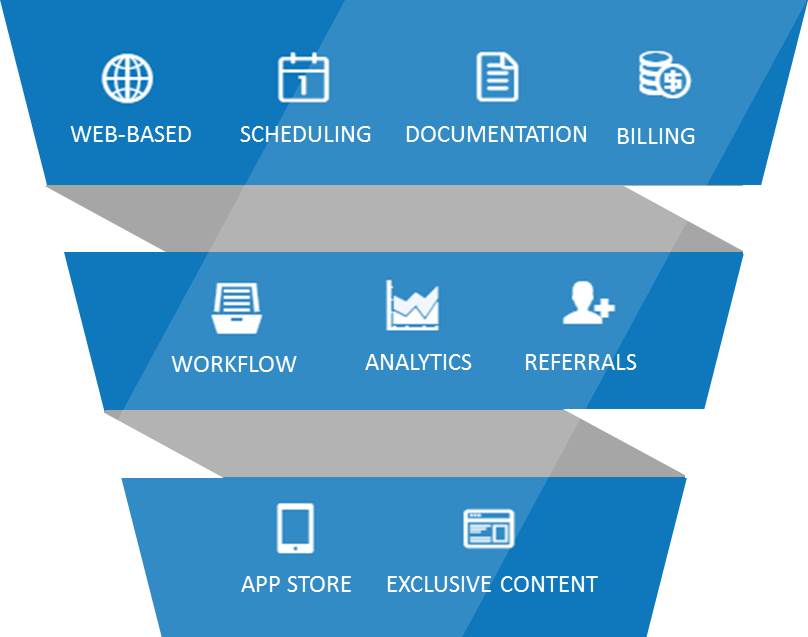
If you’re a chiropractor that is in a joint practice or that has various offices, you may find it difficult to track important billing information. Reports on a patient may be accessible from one office but not accessible at all from the other. Or you may not be able to incorporate your SOAP easily and quickly with your chiropractic billing software. In both cases, the profitability of your office is compromised. An invoicing system that allows for total access and ease in adaptability offers true solutions to a chiropractic practice. Office Coordination One of the most taxing aspects of running a chiropractic office is coordination of all aspects of that endeavor. Patient cancellations, rescheduling patients or no shows can create a situation where a doctor’s unbilled hours are mounting, putting stress on their entire enterprise. Billing Precision software provides practitioners with various tools that allow them to coordinate all aspects of the scheduling, exam and billing process. One aspect that is especially useful is their totally automated system designed to remind patients of upcoming appointments. This greatly reduces no shows, helping to make a practice more profitable. Reports on Day’s Events One feature of the chiropractic billing software from Billing Precision that greatly helps to increase the productivity of an office are the daily reports generated regarding no-shows, cancellations and other aspects of the work day. These reports aid in identifying areas in which a practice is being inefficient and unproductive. Additionally, these reports can be coordinated with patient profiles, demographics and other data. The ability to monitor each area of the scheduling process is especially useful in developing a profitable practice. SOAP Notes that Work SOAP notes from Billing Precision are filled-in with a few clicks of your computer while talking with a patient. The information is instantly recorded and may be accessed from any office or computer. These notes not only help in tracking a patient’s progress, they are essential if an insurance claim is being audited. The information contained in these SOAP notes can be the difference between winning and losing an audit. The notes are completely integrated within the system and offer effortless and seamless access. Home Free In a way, those who use the chiropractic billing software from Billing Precision start to feel as if they are home free when it comes to office management. This web-based program is totally devoted to making sure your office runs smoothly, is productive and has every opportunity to turn a sizable profit. This program, which is highly configurable, is as comprehensive as can be. Plus, as healthcare changes, it will keep pace with those changes, making it a tool for the future development and profitability of your practice. The Billing Precision software has been re-branded Genesis Chiropractic Software and this blog is on the website.
Chiropractic Billing Precision Offers a Solution for Your Practice Needs

Dr. Brian Capra created Billing Precision from his experience as a chiropractor. From that experience, he developed an all-in-one billing system that is web-based. The billing platform makes invoicing, scheduling appointments and insurance claim submissions easy. Billing Precision offers solutions to the needs of each chiropractic practice. (Press Release) October 25, 2011 – Dr. Brian Capra understands Billing Precision (http://www.billingprecision.com/) on numerous levels. His practice management experience is extensive and varied as he has seen anywhere from 100 to 1,500 patients per week. He has firsthand experience in managing a chiropractic practice and he’s taken that experience to create Billing Precision, which is dedicated to providing a total office management solution for chiropractors in order to increase their profitability. “Running an office and billing is more than a full time job, ” says Capra. “Or at least it used to be. Billing precision is web-based chiropractic billing software that greatly reduces the effort and time needed to smoothly run a practice. It makes record keeping easy, paperwork simple and patient scheduling as efficient as can be. My point in helping to develop this product was to make life a lot easier for chiropractors than it had been and to ensure that they could not only survive but boost their profits by making every aspect of their business as seamless as possible.” With that in mind, Billing Precision was developed and created. The Internet-based program allows chiropractors and their office personnel to manage every part of their business with a system that is easy to access, adaptable and totally integrated. From SOAP notes, which doctors use to detail each patient’s condition, their diagnosis and treatment, to appointment reminders, Billing Precision offers a solution to every office management challenge. “Underneath, in the programming process, this is a highly complex program,” says Capra. “But,” he adds, “from the user perspective it is easy to learn and simple to use. Billing Precision is devoted to making life easier for chiropractors and their staff in each and every manner. Out patient reminder feature is totally automated and it is a great tool that drastically cuts down on no shows, making a practice more productive and profitable.” Plus, because it is web-based, Billing Precision is always up-to-date when it comes to insurance regulations. Thus, when the laws change the program is updated to reflect those changes. Also, the software makes it easy for chiropractors to share information when insurance providers make requests. This makes answering insurance audit requests easy, speeding up the auditing process. Plus, the system’s SOAP notes comply with industry standards, helping to ensure a positive outcome when an audit is undertaken. The web-based system was re-branded as Genesis Chiropractic Software and you’re on the blog of the website
Billing Precision Offers Online Practice Management Solution
(Press Release) October 24, 2011 – Dr. Brian Capra developed the online software and service Billing Precision in order to provide a complete solution to the various management challenges that often occupy a chiropractor’s office, making it difficult for the practice to function efficiently and turn a healthy profit. His extensive experience as a chiropractor made it easy for him to identify the numerous challenges related to effectively delivering healthcare and to develop solutions. “Too often a chiropractor spends too much time chasing lost profits or trying to deal with insurance companies rather than attending to their patients and the growth of their practice,” says Dr. Capra. “Billing Precision was developed from various frustrations and problems that first plagued me when I started my practice. It was fairly apparent very quickly that no one was offering solutions. There were simply fill-in-the-blank programs for scheduling and inadequate resources for effective management.” With various challenges in front of him, Dr. Capra helped to develop groundbreaking web-based software that would become Billing Precision. Now his company offers a program that has a solid foundation and yet is also easily adaptable. Each and every part of practice management is addressed through Billing Precision, including all aspects of patient scheduling and billing; insurance compliance, submissions and payments and statistics related to the effective performance of the chiropractor’s office. Dr. Capra observes, “We’re focused on providing solutions right now, that’s true; but Billing Precision is also devoted to making sure our chiropractic billing software is also focused on compliance issues.” Also, he adds, “We’re constantly looking towards the future in order to make sure that as the industry changes we change with it too. That’s what makes us so valuable-our approach is about both the here and now and the future.” With the constantly changing landscape of healthcare and various forces shaping it, a web-based program that keeps track of developments and incorporates them is essential for any practitioner who wants to stay current. That foresight is what has helped establish Billing Precision as the solution for the management needs of the chiropractic industry. Right now you’re on the website of the product that Billing Precision developed… Genesis Chiropractic Software.
Effective Billing Solutions – Billing Precision

Genesis Chiropractic Software should be in every office that wants to use effective billing solutions. Genesis Chiropractic Billing Software has effective billing solutions for every Chiropractic Office, both large and small. Watch the video for more. https://youtu.be/xX6vyECRHIw
Chiropractic Billing Solutions Provided by Billing Precision
(Press Release) September 23, 2011 – Brian Capra set out to provide chiropractors with practical billing and business solutions that they could use to integrate their business and create more profit. The result was Billing Precision (http://www.billingprecision.com/), which is a web-based software program that practitioners can utilize to ensure greater productivity. Capra, who is a practicing chiropractor, observes, “There are a few basic areas where chiropractors tend to lose money. One major problem for most practices has to do with patients missing appointments. When this happens the time and money are lost forever. Another area,” he adds,” has to do with insurance company audits. If an insurance company believes they can disallow claims they will try to do so. That means that the doctor must keep and possess an accurate record of the patient’s visit and their prognosis.” The problems with missed appointments and insurance audits have both been addressed by Capra’s software, which includes an option whereby patients receive an automated call reminding them of their upcoming visit. As far as audits are concerned, Billing Precision offers software-based SOAP notes that can be taken in seconds. These notes, which focus on four areas-Subjective, Objective, Assessment and Plan-are used by doctors to detail a patient’s condition, the doctor’s prognosis and proposed treatment. They are essential evidence when a claim is audited. Billing Precision’s SOAP notes are entirely integrated with the rest of the system. “It’s important that a chiropractor’s office be able to communicate important information to patients, insurance companies, the doctor and other office staff,” explains Capra. “This is exactly what Billing Precision does. It’s easy to learn and very adaptable. Once it’s up and running, the software is also extremely efficient.” Prior to Billing Precision such software was primarily focused on basic scheduling and billing procedures. In past years, business solutions for doctors focused on one or two areas and integration was lacking. This web-based system includes everything needed to ensure that a chiropractor gets the most out of every appointment, conforms to the rules and regulations as set forth by insurance companies and government agencies and keeps accurate records. It does so as the name indicates, in a precise manner. For more information on Billing Precision and the various services and features associated with the software go to http://www.billingprecision.com/. There you’ll find additional information regarding the company and Doctor Capra. Better yet, you’re on the website of the product of Billing Precision… Genesis Chiropractic Software.
Billing Precision Provides an All-In-One Billing System for Chiropractors
(Press Release) September 22, 2011 – Dr. Brian Capra created Billing Precision because he realized through his own chiropractic practice that his business was not running as efficiently and profitably as it could. Insurance audits, charge backs, missed appointments by patients and many other factors were causing him to lose money each and every week. Plus, he found it was difficult to track exactly what parts of his business were deficient. “Billing Precision is just what its name indicates and more,” says Capra. “One of the most difficult parts of any chiropractic practice is the business end as it relates to patients, insurance companies and billing. With Billing Precision, I decided to create an all-in-one solution that would allow a chiropractic business to run smoothly and efficiently. ” Capra notes, “Each week a busy chiropractor’s office stands to lose hundreds and even thousands of dollars due to insurance audits and missed appointments. I decided to do something about that.” Capra’s all-in-one solution is web-based, which makes it easy to access from anywhere and simple for customers to obtain upgrades. It allows chiropractors to do everything from take SOAP notes that are then integrated into the system, file insurance claims and see business stats on patients. It is a totally integrated program. “It all works together,” Capra said, “which means that chiropractors can get each and every aspect of their business working together. As an example,” he explains, “our SOAP notes are very easy for chiropractors to utilize. They can be taken and completed while meeting with the patient. Also, these notes, that in essence offer a summary of the exam, prognosis and treatment, are easy to integrate with insurance agency requests.” The total Billing Precision system may be tapered to meet the individual needs of practices and includes various features and many options. Once in place, office personal can easily learn how to use it. In a short amount of time, practices find that they are saving time and money. For more information on Billing Precision and the various services and features associated with the software, please go there. There you’ll find additional information regarding the company and Doctor Capra. You can also find more information about the product of Billing Precision… Genesis Chiropractic Software!
Online Practice Management Solution Offered by Billing Precision
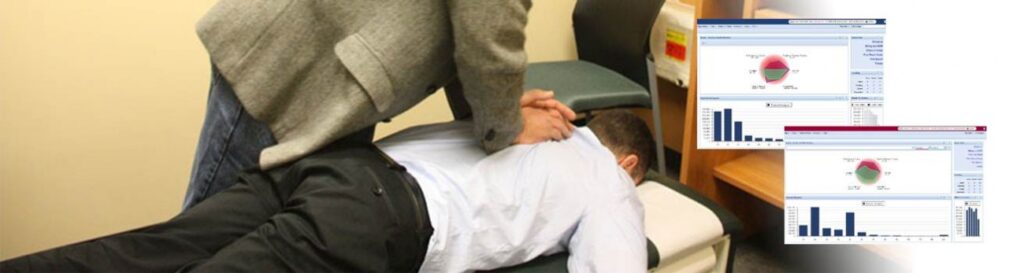
For chiropractors managing a practice can be a daunting job. The business aspect calls for attention to details that involve hiring an office staff with various skills. Chiropractic billing software can be a huge help when it comes to managing your business. This is especially true when you use web-based software such as that offered by Billing Precision. Online Advantages There are numerous advantages to deciding to work with an online system. Doing so enables all who are involved in the billing and management aspects of your practice to easily and quickly access information that is being securely stored. When integrated properly, as is Billing Precision, this type of software makes sharing important information effortless. The online aspect also allows for seamless integration with healthcare insurance providers, off-site billing and other aspects of your practice. Plus, wherever you may be, you’ll be able to utilize the information that you need, including information on a patients, demographics and statistics related to no-shows, insurance claims and more. More than Just Billing Thus, when it comes to considering chiropractic billing software, you are actually looking to utilize a program that covers every aspect of billing–that means that you have access to features that actually go beyond basic invoicing. These features include the creation and coordination of SOAP notes, scheduling of patients and automated patient reminders and the billing of insurance and patients. Overall, an online system such as that from Billing Precision is devoted to coordinating each and every aspect of your business, allowing you and your staff to function at top efficiency and providing you with the opportunity to garner maximum profits. Planned Management Using online software offers you a major advantage when it comes to chiropractic billing and management. That is, you can plan the entire management process including scheduling when and how claims are submitted, when reminder calls are made and when statistics are coordinated and reviewed regarding your business. The ability to plan each and every part of your business gives you ultimate control and takes many of the variables related to your chiropractic business out of the mix. Those include lessening missed appointments and insurance audits. Cost and Time Savings Using online practice management software such as Billing Precision allows you to save money on missed appointments, uncompensated visits and even audits. Because Billing Precision offers easy to use SOAP notes, it saves time when it comes to record keeping. Each and every aspect of your business and billing can be coordinated and that means that you’re able to conserve on time spent running your practice while you also save money. For chiropractors one of the best choices involves using web-based software that is flexible, dependable and created to directly support the various aspects of your practice. This type of software can prove to be an invaluable asset.
Manage Your Practice Billing with a Web Based Billing Solution

Chiropractic billing software has come a long way in less than a decade. It used to be simply a way to record appointments on a computer, input charges and send out invoices. But now there is software, such as that by Billing Precision that allows for the total integration of each and every aspect of your chiropractic practice. Easy to Use Although today’s chiropractic billing software handles complex problems, it is not difficult to use. The amount of time your staff spends learning to use the software results in hundreds of hours of time saved each month and thousands of more dollars in profit. The more that your billing software can handle the better off you’ll be. This type of program, that needs to be web based to ensure maximum coordination, should solve as many problems and challenges as is possible with the result that the labor involved in running the business side of your practice seems to be virtually nonexistent. Saves Time The first thing that you want your chiropractic billing software to do is save you time. Better yet, you want to make sure that it saves you and your staff time. If that is the case, it means that you and your staff will be able to handle more patients and will also be able to add more products and services. As an example, software that automatically triggers a reminder phone call that tells a patient of their next appointment saves time in that someone on your staff does not need to make the call and money in that a patient who receives a timely reminder is less likely to miss an appointment. It is Adaptable Software that adapts to your business is essential. No two chiropractic practices are the same, which means that each has special challenges that demand specific solutions. Thus, chiropractic billing software that allows users to taper its services can be an invaluable tool. Easily Updated The fact is the best chiropractic billing software adheres to present day standards set by the government, healthcare industry and health insurance providers. In other words, it never goes out of date because it can be updated quickly and easily on the web. Whether there are new rules or regulations, different federal or local laws or a software upgrade, you want to be able to access every aspect with ease. You don’t want to be left behind in anyway. If you are, you stand to lose money. That means web-based software that handles each every one of these areas offers chiropractors the best billing solutions. Make it Work for You The idea behind chiropractic billing software is you want to ensure that it will offer you a web based solution that is adaptable and able to be updated. Software from Billing Precision does just that. The Billing Precision software has been re-branded as Genesis Chiropractic Software and this blog is on the website.
Genesis Chiropractic Billing Software Offered in an All-In-One Solution
A chiropractor’s practice is a complex undertaking. Patient scheduling, billing, insurance claims and more must all be coordinated. Delays, incomplete insurance forms and late filings can add up to late payments or no payment at all. Plus, there are missed patient appointments that can result in the loss of thousands of dollars each and every month. The solution to these and other challenging problems can be found in chiropractic billing software such as Billing Precision. Lost Time and Money It is difficult for a chiropractor to be competitive if they are spending and losing time and money in the coordination of their business. When time is lost, the money is also usually lost. Plus, the scheduling of appointments, coordination of paperwork and filing of health insurance claims can all add up in thousands of dollars of lost revenue each and every week if not properly done. Additionally, an office that literally collates paper, manages all aspects of phone communication and then processes paperwork often finds itself swamped with work, falling behind and making mistakes. The result is a very inefficient practice. Billing Software Many chiropractors are finding a solution through the use of billing software such as that created and offered by Billing Precision. The best software of this type coordinates all aspects of billing. If you simply substitute the word “business” for “billing,” you get the idea of the breadth of work covered. What can or should you expect from such software? The fast and simple answer is a solution to each and every challenge your business faces when it comes to the coordination of the various elements related to the business. What Billing Software Will Do The best chiropractic billing software provides an all-in-one solution. The minimum one wants is: Easy and accurate recording of SOAP notes. Coordination of SOAP notes with all patient and insurance information. Programmable reminders for appointments. Point of Service alerts for co-pays, unpaid balances and referrals. A simple and clear color-coded identification approach for various kinds of appointments. The ability to coordinate and schedule from various sites and for numerous providers. Detailed reports to aid in the more efficient and effective running of your practice, including those related scheduling aspects, including daily schedules, load reports, missed appointments, free time, canceled appointments and more. The integration of patient demographics, billing and Electronic Medical Records documentation. Benchmarks for Success If your chiropractic billing software allows for all of the above, then you will be able to use your office personnel’s time more effectively and your business will be more profitable. The business aspect of a medical practice can tax numerous resources. Chiropractors have found that software from companies such as Billing Precision can make a major difference.
Practice Management for Chiropractors – Billing Precision
Billing Precision’s Genesis Chiropractic Software includes many Practice Management tools for Chiropractors to implement in their offices. The chiropractic software was designed for chiropractors by chiropractors who realized that practice management wasn’t taught in school, and professional help was needed. https://youtu.be/qsvy2f5lL00
