
Maximizing Chiropractic Practice Success
In today’s exclusive discussion, we have Michelle Corrigan, Director of Operations at Genesis Chiropractic Software, joining us. Michelle, a seasoned professional in the field, shares her extensive experience and valuable insights. Get ready for a deep dive into optimizing your practice management. Unlocking the Potential of Technology: In the chiropractic realm, Michelle highlights a common concern—practitioners may not be giving due attention to their bottom line. Genesis Nation aims to change this narrative by leveraging technology to streamline and enhance every aspect of your practice. Michelle is not just a Director of Operations; she’s a certified coder and compliance officer. With a wealth of experience, Michelle has witnessed the evolution of chiropractic practices, from manual HICFA forms to the seamless automation we enjoy today. Her insights are invaluable for those seeking to navigate the complexities of practice management. Bottom-Line Focus: Chiropractors often neglect their bottom line. Michelle emphasizes the importance of understanding the financial health of your practice. Genesis Nation encourages practitioners to use technology for robust financial management. Staff Training and Knowledge: The success of any practice relies on well-trained and knowledgeable staff. Michelle underscores the significance of hiring individuals who align with your practice’s values. Training staff effectively ensures that money doesn’t slip through the cracks. Underpaid and Rejected Claims: Every underpaid or rejected claim represents potential revenue loss. Michelle urges practitioners to intelligently combat these issues, preventing insurance companies from taking advantage. Genesis provides robust tools to fight for every dollar owed. Coding Accuracy: Coding is a critical aspect of chiropractic practice. Michelle stresses the need for a deep understanding of the relationship between procedure codes and diagnosis codes. Accurate and bulletproof notes are essential to support medical necessity. Network Effect in Billing: Michelle introduces the concept of a network effect in billing. Changes in one region may affect others. Genesis actively incorporates these changes into its system, creating a collective advantage for all practitioners in the network. Patient Payment Collection: Michelle addresses the challenge of collecting patient payments. While chiropractors are focused on healing, it’s crucial to ensure timely payments to keep the practice running smoothly. Innovative solutions like Chusa offer legal ways to provide discounts and facilitate payments. Avoiding Pitfalls in Contracts: Michelle shares a cautionary tale about contracts that promise quicker payments in exchange for reduced amounts. Practitioners need to scrutinize such agreements, ensuring they don’t inadvertently sign away substantial revenue. Conclusion: As we conclude this insightful discussion with Michelle Corrigan, Genesis Nation stands as a beacon for chiropractors seeking to revolutionize their practices. By embracing technology, focusing on financial health, and staying vigilant in billing practices, chiropractors can elevate their success. Join us on this journey of transformation, and stay tuned for more enriching discussions from Genesis Nation. To watch the full episode, you may view it via https://bit.ly/3S4ylPS.
How Practice Automation is Redefining Chiropractic Care
In an era where technology continually reshapes the landscape of healthcare, chiropractic practices are not left behind. The integration of practice automation into chiropractic care, as exemplified in discussions like the insightful interview with Dr. Aaron Gum of Blueprint to Practice Automation, is a testament to this evolution. This blog delves into the transformative impact of practice automation on chiropractic care, exploring how it enhances patient experience, streamlines operations, and opens new horizons for practitioners. The Rise of Practice Automation in Chiropractic Care: The concept of practice automation, as discussed by Dr. Gum, revolves around the integration of advanced technological systems into the day-to-day operations of chiropractic practices. This includes everything from patient management systems, electronic health records (EHRs), to automated patient education tools. The goal is to streamline administrative tasks, improve patient care, and ultimately, enhance the overall efficiency of chiropractic practices. Key Components of Practice Automation: Automated Patient Management Systems: These systems manage appointments, reminders, and follow-ups, significantly reducing the administrative workload and enhancing patient engagement. Electronic Health Records (EHR): EHRs provide a digital platform for storing patient data, facilitating easier access to treatment histories, and enabling better coordination of care. Digital Patient Education: Automating patient education ensures consistent and comprehensive information delivery, crucial for patient understanding and adherence to treatment plans. Remote Monitoring and Treatment: With advancements in technology, some aspects of chiropractic care can be monitored or even administered remotely, increasing accessibility and convenience for patients. The Benefits of Automation in Chiropractic Practices: Enhanced Efficiency: Automation reduces the time spent on repetitive tasks, allowing chiropractors to focus more on patient care and less on administrative duties. Improved Patient Experience: Automated systems contribute to reduced wait times and more efficient communication, leading to higher patient satisfaction. Scalability of Services: With automation, chiropractic practices can manage a larger patient load without compromising the quality of care, facilitating growth and expansion. Data-Driven Insights: The use of technology in practice management provides valuable data that can be used to make informed decisions about patient care and business strategies. Challenges and Considerations: While the advantages are significant, the transition to an automated practice requires careful consideration. Issues such as data security, the cost of technology, and the potential impact on the patient-practitioner relationship must be addressed. Additionally, there is a learning curve associated with new technologies that both staff and practitioners must navigate. Conclusion: The integration of practice automation in chiropractic care, as highlighted in discussions like Dr. Aaron Gum’s interview, is not just a trend but a necessary evolution. It offers a pathway to more efficient, patient-centered care, and a more sustainable business model for chiropractic practices. As we continue to witness technological advancements, embracing practice automation becomes not just an option, but a crucial step towards the future of chiropractic care. To learn more about Blueprint To Practice Automation you can visit them here https://bit.ly/bpa-genesis
Tasks, Checklists, and Problem Management
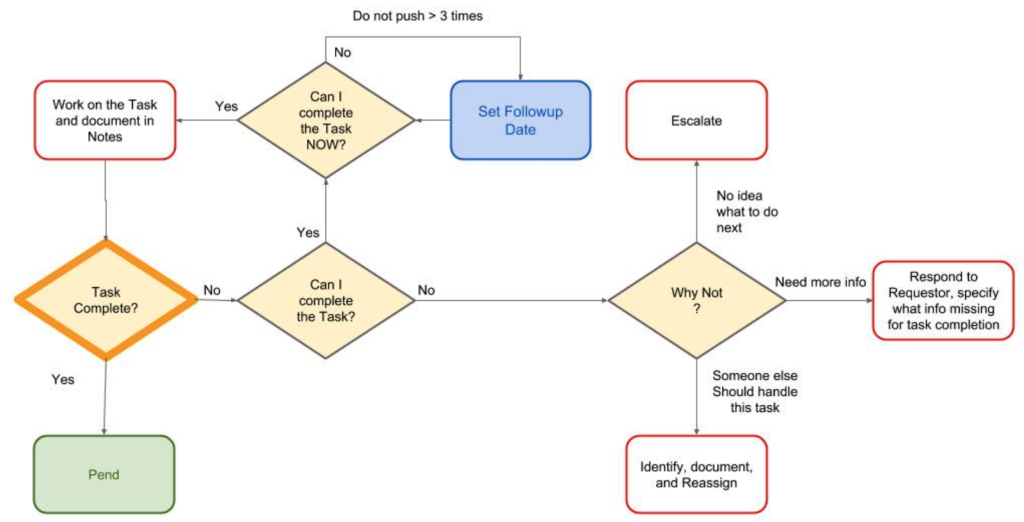
This blog chapter discusses the importance of standard operating procedures (SOPs) and checklists in problem resolution within the context of complex billing processes, with a focus on medical billing. It explores the characteristics of an effective tracking system for problem management and emphasizes the benefits of using tasks over email or other communication tools. The article provides a structured approach to creating tasks and highlights the significance of transparency, accountability, and measurement in this process.
Redefining Healing: How Technology and Personal Touch Are Shaping the Future of Chiropractic Care
A Modern Approach to Chiropractic Care In the rapidly evolving world of healthcare, chiropractic care is not far behind in embracing the winds of change. Integrating technological innovations, automation, and prioritizing patient experience are more than buzzwords; they are shaping the future of chiropractic practice. This transition is not just confined to large healthcare providers; even smaller clinics are adopting these revolutionary methods. From artificial intelligence to personalized patient interactions, the entire landscape of chiropractic care is shifting. Traditional methods are making way for more efficient, patient-centric, and delightful experiences. This article delves into these transformative concepts and explores how they are revolutionizing chiropractic care, aligning it with the needs of modern society. Conversational Booking and AI: Beyond Traditional Scheduling The era of scheduling appointments through tedious phone calls and manual entries is fading. Modern chiropractic practices are turning to AI-powered conversational booking systems that enable patients to schedule their visits seamlessly. Real-time availability pulled from practitioners’ schedules, immediate confirmations, and efficient coordination are the new norms. Patients appreciate the convenience and speed of this approach, often leaving them impressed even before their first visit. For practitioners, this technology not only frees up administrative time but sets the stage for an ongoing relationship that prioritizes individual needs. As a result, the first impression is no longer made in the waiting room; it starts with a smooth and personable booking experience that signals professionalism and care. The Rise of Automation: A Competitive Edge Automation has transcended beyond a mere trend to become a vital part of modern chiropractic care. Implementing automation is not about replacing human touch but enhancing it by removing repetitive tasks. Automation can provide unique and competitive services, offering efficiencies that allow practitioners to focus more on patient care. Clinics that quickly adapt to automation are positioning themselves as industry leaders, differentiating their services in a crowded market. But this advantage may be short-lived as automation becomes the industry standard. Those who act fast will find themselves at the forefront, while late adopters may struggle to keep pace. Integrating automation is more than a strategic move; it’s an imperative adaptation to the technological age. Customer Experience: The Art of Surprise and Delight Chiropractic care has traditionally focused on treatment and recovery, but modern practices understand that the patient experience goes far beyond that. Small shifts in customer service, such as offering a warm greeting, a refreshment, or personal attention, can lead to significant improvements in patient satisfaction. This philosophy of surprising and delighting patients is not new; it has been studied across various industries and adapted to healthcare with great success. By creating a culture of kindness, attention, and connection, clinics are building deeper relationships with their patients. These positive interactions, whether through thoughtful gestures or attentive listening, become stories that patients share, creating a positive reputation in the community. Personal Connection Through Technology: Beyond Text Messages Chiropractors are now leveraging technology to foster personal connections with their patients. Sending a video or selfie from the doctor to a first-time patient is not just a novel idea; it’s a symbol of modern, connected healthcare. It signals that the care provider is accessible, friendly, and engaged, setting the tone for the patient’s experience. This approach reflects a broader shift in healthcare towards patient-centered care that extends beyond clinical interactions. It’s about building trust and connection through technology while retaining the human touch. This blend of technology and personalized interaction elevates the patient experience and offers a fresh perspective on what chiropractic care can be. Collaboration and Community Engagement: A Win-Win Situation Collaboration and community engagement are at the heart of sustainable chiropractic practices. By building partnerships with industry leaders, engaging with community stakeholders, and aligning with local needs, chiropractors can expand their reach and impact. This collaborative approach fosters knowledge sharing, joint initiatives, and community well-being. Active participation in community events, health fairs, and educational seminars enables chiropractors to connect with potential patients and other healthcare providers. It’s not just about marketing; it’s about contributing to the overall wellness of the community. This symbiotic relationship between chiropractors and their community enriches both, building trust, and strengthening connections. A New Era for Chiropractic Care The chiropractic field is entering a new era, one that combines the wisdom of traditional practice with the efficiencies and personal touches made possible by modern technology. The integration of AI-powered conversational booking, the rise of automation, a renewed focus on customer delight, and the spirit of collaboration is paving the way for an industry that’s ready for the future. This transformation underscores a fundamental evolution in chiropractic care, moving from a purely clinical focus to an approach that prioritizes innovation, connection, and the holistic well-being of its patients. It is a model that resonates with the values of modern society and positions chiropractic care as a dynamic and essential part of the healthcare ecosystem.
From Flops to Mega Hits: How Cash Practice is Turning ‘Average Joes’ into Chiropractic Rockstars!
A high retention practice is a dream come true for any chiropractor. Achieving it is not an easy task, but the rewards are worth it. In this blog post, we will explore how to effectively use Cash Practice, a set of tools and strategies designed to help chiropractic practices improve patient retention. The Four F’s of Cash Practice A successful practice is underpinned by four essential elements, collectively known as the Four F’s: Forecasting, Frictionless payment experience, Feedback that’s intuitive, and Frequent contact. Forecasting helps the patient understand their care plan, including treatment costs and duration. With this transparent communication, patients can make well-informed decisions about their health journey. Moreover, forecasting also allows chiropractors to plan resources efficiently, enabling them to deliver optimum care. Frictionless Payment Experience is all about ensuring that the financial aspects of care don’t become a barrier for patients. By making payments straightforward and manageable, Cash Practice can mitigate the stress and confusion often associated with medical bills, leading to improved patient retention. Feedback that’s Intuitive involves implementing systems to gain insights into patient experiences. Understanding a patient’s experience, their satisfaction levels, and their suggestions for improvement is crucial to refining your practice and fostering strong patient relationships. Frequent Contact fosters a sense of trust and belonging among patients. Regular engagement, both in person and via automated emails or messages, ensures that the patients are well-informed and feel cared for. This level of involvement is key to building a high-retention practice. Embracing Tech in Patient Education In the information age, effective patient education can be the differentiating factor for a chiropractic practice. Innovative practices are leveraging email education to maintain regular contact with their patients, keeping them informed and engaged throughout their healthcare journey. Pre-made educational campaigns can provide patients with valuable insights, enhancing their understanding of their care process and improving their engagement with the treatment plan. Cash Practice enhances the patient education process, providing them with relevant and targeted information. For instance, a new patient embarking on a program of corrective care could be assigned a six-week lesson plan, providing them with regular updates and information on what to expect. This strategic use of technology not only fosters a better patient experience but also promotes efficiency within the practice. Building a High-Retention Practice with Cash Practice The beauty of the Cash Practice model lies in its focus on patient retention. Rather than striving for a high-volume practice, the goal is to create a high-retention practice, where patients continue to return for care because they feel valued and understood. This shift in focus can make practicing more enjoyable and fulfilling for chiropractors, as they see the tangible benefits of their care in their patients’ improved health and satisfaction. Furthermore, practices built on the Cash Practice model often cultivate an atmosphere where patients see their relationship with their chiropractor as a long-term commitment to their health. These practices essentially become health partners for their patients, contributing significantly to the overall satisfaction and lifestyle improvements of the patients they serve. Implementing the Cash Practice model can seem like a daunting task, but with the right mindset and tools, it can be a transformative process. By leveraging technology, fostering transparency, and prioritizing patient education and engagement, chiropractic practices can unlock new levels of success and patient satisfaction. The Cash Practice model presents a compelling case for the future of chiropractic care, signaling an exciting new chapter in patient-centered healthcare. Check out Cash Practice here http://cashpractice.com/genesis
Embracing the Power of Connection in Chiropractic Practice: Insights from Joey Coleman
In a rapidly evolving healthcare landscape, chiropractors must continually adapt to meet the ever-changing needs of their patients. From incorporating new techniques to developing robust patient relationship management strategies, the objective remains consistent: optimize patient outcomes and enhance patient satisfaction. In a recent discussion with Dr. Brian Paris from Genesis Chiropractic Software, Joey Coleman, renowned customer experience expert and author of “Never Lose a Customer Again,” shared invaluable insights on how chiropractors can foster stronger relationships with their patients and employees. Harness the Power of Genuine Connection Today, many practitioners realize that their success extends beyond their technical prowess as healers. It’s also about building meaningful relationships. Coleman emphasizes the importance of curiosity, active listening, and attentiveness in fostering these connections. By demonstrating genuine interest in patients’ lives, chiropractors can create a more personalized and satisfying healthcare experience. He recommends asking non-invasive questions about their hobbies, passions, and lifestyle, leading to a more human and empathetic connection. Moreover, while notes and medical records are essential for tracking patient health progress, Coleman suggests that keeping notes about their personal lives can be equally beneficial. These notes can include their birthdays, favorite sports, or even their children’s names. This approach adds a personal touch, showing patients that you see them as individuals, not just patients. Valuing Employees Equally Similarly, chiropractors mustn’t overlook the value of nurturing relationships with their employees. Coleman contends that chiropractors often know less about their employees than their patients, a situation he finds baffling given employees’ integral role in practice success. He encourages chiropractors to show the same level of interest and curiosity in their employees’ lives, helping to create a more connected, valued, and motivated team. The Art of Gifting Coleman also discussed the power of personalized gifting. Instead of conventional, often forgettable gifts, he suggests giving something that connects with patients on a personal level. Such a gesture displays a level of thoughtfulness and consideration that generic gifts often fail to convey, helping to deepen the patient-doctor relationship. The Importance of Saying Thank You While it may seem simple, a heartfelt expression of gratitude can significantly impact someone. Coleman champions the idea of expressing gratitude to patients, employees, and other stakeholders for their roles in your practice. This act can take various forms, from a handwritten note to a personalized video message, emphasizing the individual’s value in your life and your practice. Whether you’re a data-driven practitioner or someone who leans more towards the emotional, relational aspects of care, Coleman’s approach is universally applicable. With its emphasis on genuine connection, personalization, and gratitude, his approach to patient and employee relations is supported by both hard science and softer emotional dynamics. By putting these practices into action, chiropractors can elevate their patient experiences, improve team morale, and ultimately, drive the success of their practice.
Maximizing Efficiency And Growth With Chiropractic Practice Management Software: A Comprehensive Guide
Are you looking for ways to maximize efficiency and growth in your chiropractic practice? You’re not alone. According to a recent survey, over 80% of practices are actively seeking solutions that increase productivity and profitability. In this comprehensive guide, we’ll explore the benefits of using the best chiropractic software around, how it can help streamline processes, save time and money, and more importantly – free up precious resources so you can focus on delivering quality care. If you’re anything like most business owners today, you’ve got ambitions to grow your practice but don’t have the capacity or resources needed to get there fast enough. That’s where chiropractic software comes in; with its capabilities to automate manual tasks and provide data-driven insights into improving performance across all areas of operations, it helps make dreams come true! By reducing administrative workloads, optimizing workflow processes, and providing real-time access to actionable analytics – chiropractic practitioners can now achieve their goals faster than ever before. Ready to find out how chiropractic software works? Keep reading as we take a deep dive into the world of chiropractic software features for maximizing efficiency and growth with chiropractic practice management software! Introduction to Chiropractic Software Chiropractic practice management software, often referred to as chiropractic software, is essential for busy practices. It streamlines patient scheduling, billing, and other administrative tasks to save time, money and help maximize efficiency and growth. With the right chiropractic software in place, it’s easier than ever to keep up with all your office needs. Having the right chiropractic software solution can give you more control over how you manage patients. You’ll have easy access to appointment information, including notes about insurance coverage or special cases that need extra attention. Plus, you’ll get reminders when payments are due – ensuring no one falls through the cracks. Streamlined patient records also make it simple to find out who owes what so that everyone gets billed properly. The most successful chiropractors know that using automated processes is essential for staying organized while growing their businesses. By investing in quality chiropractic software they can take advantage of features like secure data storage, customized reports, and analytics tools without taking away from valuable time spent with patients. Ready to move on? Let’s explore streamlined patient management next! Streamlined Patient Management Patient management is an essential part of chiropractic practice success. With the right chiropractic software, offices can quickly and easily manage patient accounts, patient appointments, and more with powerful features. Automated appointment reminders are a significant benefit that allows practitioners to maximize their time while also saving patients from any potential inconvenience or confusion over scheduling. The convenience of automated appointment reminders also ensures that all scheduled times are accurately kept for both practitioners and patients alike. This helps increase patient satisfaction through consistent messaging about upcoming visits and prevents missed opportunities due to forgotten meetings. Furthermore, having a comprehensive system in place makes it easy solo practitioners to track multiple patient schedules at once without worrying about double booking or other errors. Chiropractors who have access to reliable patient management tools will have greater control over managing their workflow. They’ll be able to stay organized while spending less time on manual processes like manually sending out appointment reminders or tracking down missing information from patients. By streamlining these tasks, they’ll be able to keep up with demand while growing their business efficiently—allowing them to focus on providing quality care instead of administrative duties. As such, investing in the right patient management software can take your business operations to the next level by improving efficiency and growth potential. Without further ado, let’s dive into billing and claims management! Billing Software And Claims Management Billing and claims management are essential parts of any successful chiropractic practice. With the right chiropractic software, practices can maximize efficiency and growth by streamlining processes for managing payments, processing claims, tracking patient records, and running reports. Here is how billing and claims management software can help: Automate Payment Processing: Software simplifies payment processing by automatically creating invoices that link to secure online payment portals. This helps reduce manual data entry errors and enables faster payments from patients. Streamline Claims Management: Billing software allows practitioners to quickly submit accurate insurance claims without having to manually enter each line item or waste time double-checking claim forms. It also provides built-in tools to track denied or delayed claims so they can be addressed promptly. Increase Patient Satisfaction: By providing an easy way for patients to access their accounts, pay bills online, view statements electronically, and receive automatic reminders about upcoming appointments or due balances, billing software improves overall satisfaction with your services. Accurate Record Keeping: Comprehensive reporting capabilities allow you to easily generate financial summaries linked directly to individual patient files – helping you stay organized while keeping up with ever-changing regulations and compliance requirements. Enhanced Security: All information stored in billing systems is encrypted at rest as well as during transmission – making it virtually impossible for unauthorized users to gain access or manipulate sensitive data. With the right billing and claims management system in place, chiropractors can save valuable time while improving accuracy and security throughout their business operations. Moving forward with a secure solution will give your practice peace of mind when it comes to protecting confidential patient information—and provide greater control over finances when handling insurance billing and payment processing needs. As the healthcare landscape continues to evolve, having reliable technology solutions in place will ensure that your practice remains at the forefront of innovation while meeting all regulatory standards related to data privacy and security. Next on our agenda is exploring ways of addressing security and compliance issues within chiropractic practices… Security And Compliance When it comes to your chiropractic practice electronic health record itself, security and compliance should be a top priority. With the help of cloud-based software, you can ensure that all patient data is safely secured and compliant with HIPAA regulations. Cloud-based technology also ensures that all information
Leveraging Technology and Research in Subluxation-Based Practice
In an era marked by technological innovation and ever-evolving healthcare needs, how does chiropractic care fit in? How can the benefits of this ancient practice be harnessed and advanced through modern technology? These are some of the intriguing questions we explore in our latest episode of Genesis Nation, featuring an enlightening conversation with Dr. Joe Betz, a leading figure in subluxation-based chiropractic.[/vc_column_text][vc_video link=”https://vimeo.com/828116201″][vc_column_text css=”.vc_custom_1684442024679{margin-bottom: 0px !important;}”]A passionate advocate for research-based chiropractic care, Dr. Betz is an active contributor to the field’s evolving landscape. He shares invaluable insights about the challenges facing the profession, from intra-professional polarities to attempts to limit chiropractic practices. The battle is global, with various factions seeking to curtail chiropractors’ ability to utilize specific techniques and tools, such as X-rays for evaluating spinal subluxation and alignment. Yet, hope prevails. Through relentless research and the strategic use of technology, Dr. Betz has been able to make significant strides in his practice. He emphasizes the value of supporting chiropractic research, particularly in subluxation-based chiropractic, and credits the growth and efficiency of his practices to the leveraging of robust software systems like Genesis. Genesis, in particular, has been a game-changer for him, streamlining the entire spectrum of operations, from documentation to billing and coding. The system’s high functionality, backed by an exceptionally responsive team, offers an unrivaled service that empowers chiropractors to focus on what matters most—patient care. As the healthcare sector continues to evolve, so does chiropractic care. With two successful practices under his belt, Dr. Betz is planning to open more satellite offices, thanks to the power of technology. In this insightful conversation, Dr. Betz also pays tribute to his mentors, their work ethics, and their vision for subluxation-based chiropractic. He urges his fellow practitioners to stay resilient in the face of challenges, and above all, to strive for a future where chiropractic care is more efficient, evidence-based, and patient-centered. Watch the video to learn more about how technology and research can revolutionize chiropractic care, and do share your thoughts in the comments below!
Why Private Practices Need Insurance Denial and Appeals Management

Effective denial and appeal management is essential for private practices, with studies showing that up to 90% of insurance denials are preventable. Common reasons for denials include medical necessity issues, duplicate billing, and more. Best practices include monitoring claims submission reports and training staff for efficient denial management. Streamlining the approval process and compliance checks are key to preventing denials. ClinicMind’s EHR/RCM platform helps automate workflows and improve practice management, ensuring accurate billing and documentation.
Insurance Industry Trends and Changes: Keeping Your Practice Up to Date

The health insurance landscape is continually evolving, posing challenges for healthcare providers. To stay updated, practitioners should read industry news and share vital updates within their practice. It’s important to schedule regular compliance checks, both human and technology-related, to ensure adherence to standards. Staying informed about important dates and changes is essential. Implementing efficient practice management tools, like ClinicMind’s EHR and RCM software, can streamline operations and keep practices compliant in the ever-changing health insurance industry.
